



Fuse Box Guide: Buying Advice, Comparison
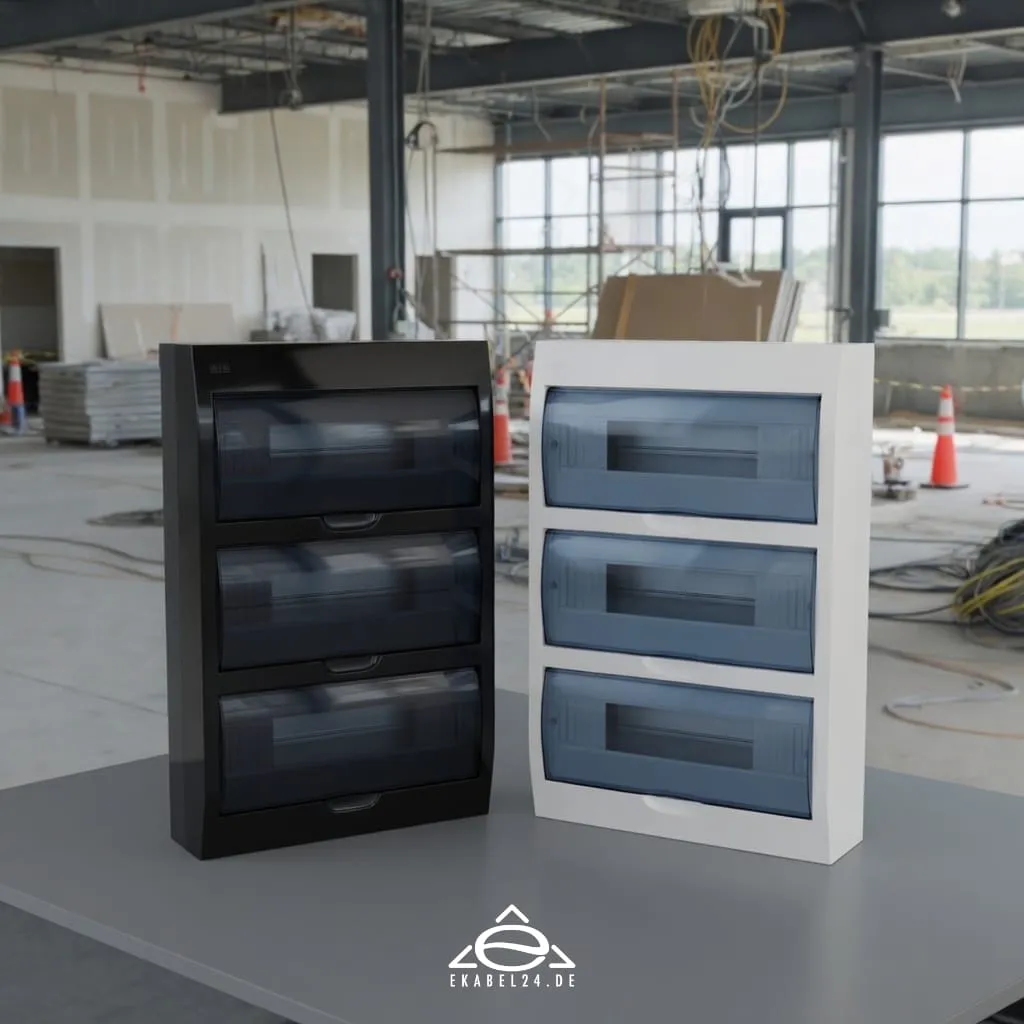
A fuse box (also known as a distribution board or consumer unit) is the central hub of every electrical installation. This comprehensive guide covers everything you need to know about types, selection, and key considerations.
What is a Fuse Box?
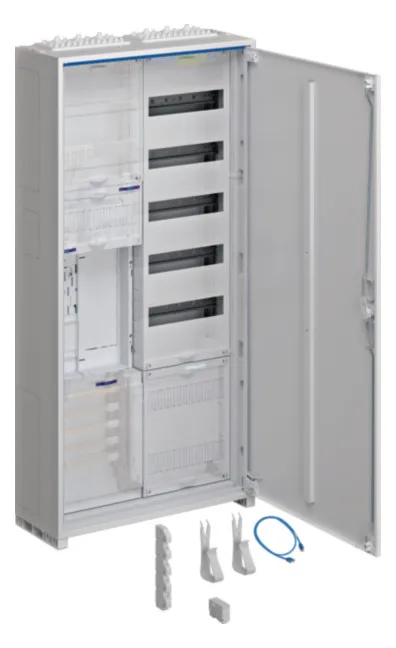
A fuse box, also called a distribution board or consumer unit, safely distributes electricity to different circuits and protects the installation from overload, short circuits, and other hazards. Modern models offer excellent flexibility and meet current safety standards.
Types of Fuse Boxes
Surface-Mounted Fuse Box
The most popular choice for retrofitting in basements, garages, or workshops. Easy to install directly on the wall.
Flush-Mounted Fuse Box
Space-saving and discreet, recessed into the wall. Ideal for new builds and living areas.
Protection Ratings Overview
- IP20 Fuse Boxes – For dry indoor areas
- IP30 TÜV Fuse Boxes – With TÜV certification for higher demands
- IP40 Fuse Boxes – Good protection for commercial and industrial use
- IP40 Black Fuse Boxes – Stylish black design variant
- IP55 Fuse Boxes – Protected against water spray
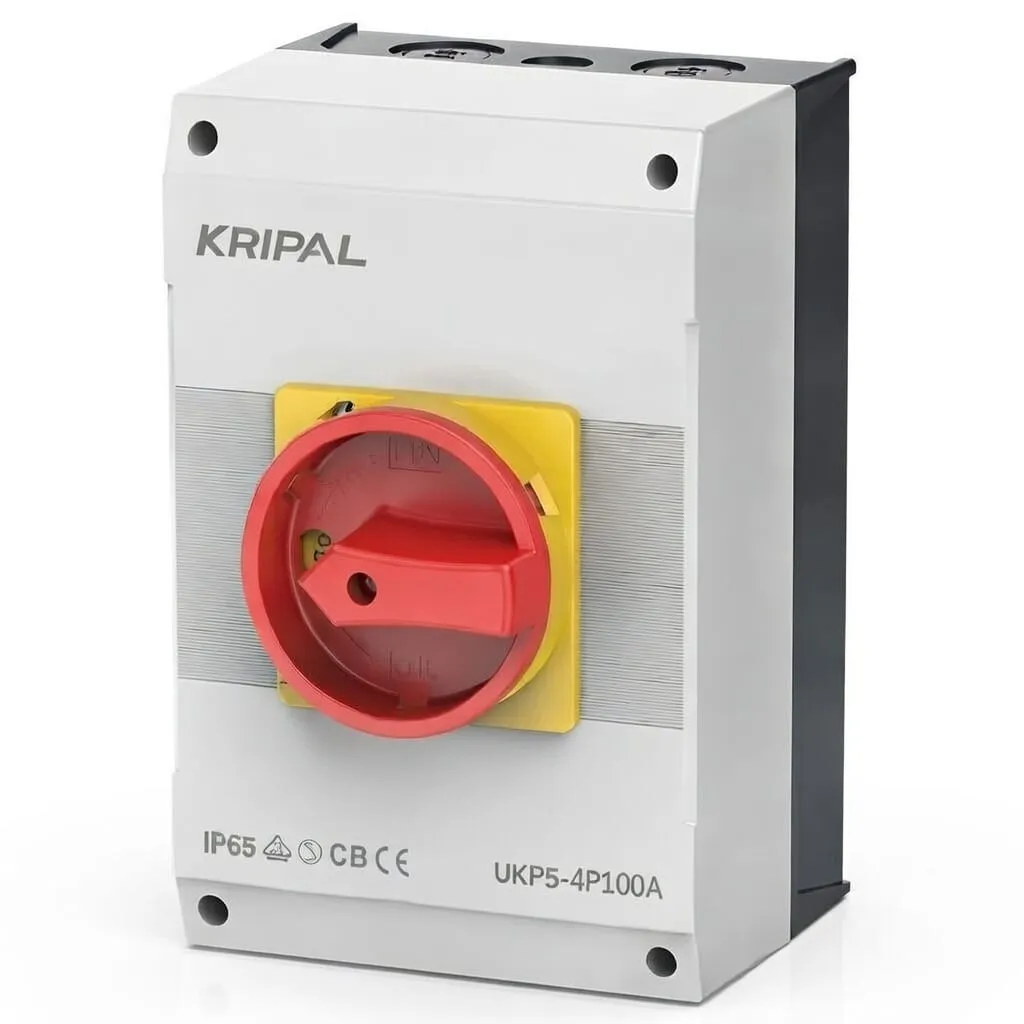
- IP65 Fuse Boxes – Dust-tight and water-resistant for outdoor use
We also recommend the Compact Distribution Boards category for smaller solutions.
Comparison: Surface-Mounted vs Flush-Mounted
| Criteria | Surface-Mounted Fuse Box | Flush-Mounted Fuse Box | IP65 Waterproof |
|---|---|---|---|
| Mounting | On the wall | Recessed into wall | Flexible |
| Appearance | Visible | Hidden | Robust |
| Protection Rating | Up to IP55 | Usually IP40 | IP65 |
| Application | Basement, Workshop, Outdoor | Living Areas | Damp Areas |
| Advantages | Easy installation & expansion | Space-saving & aesthetic | Weather & dust protection |
Buying Guide: How to Choose the Right Fuse Box
When selecting a fuse box, consider the following important factors:
- Number of modules and rows required
- Protection rating (IP) suitable for the environment
- Build quality and material durability
- Presence of PE/N terminals and DIN rail
You can find suitable solutions in our main category: all Fuse Boxes.
Installation and Important Notes
The installation of a fuse box must only be carried out by a qualified electrician. Key steps include circuit planning, mounting the enclosure, and professional wiring.
Frequently Asked Questions (FAQ)
What is the difference between a fuse box and a distribution board?
The terms are often used interchangeably. A fuse box emphasizes the protective function, while a distribution board focuses on electricity distribution.
How many modules do I need for a single-family house?
For a typical single-family home, 24 to 36 modules are usually recommended.
Can I install a fuse box myself?
No. All electrical installation work must be performed by a certified electrician.
Which IP rating do I need for outdoor use?
At least IP65 for weather-protected applications.
Where can I find suitable circuit breakers?
In our main category Fuse Boxes you will find compatible accessories.