



Connections
Buy at B2B prices
0% VAT for EU business customers.
Subscribe to the newsletter to receive the latest discount codes.
5% discount for orders over €5000
Subscribe to the newsletter to receive the latest discount codes.Free shipping to Germany
for orders over €500
Free shipping to Austria, Belgium and Netherlands
for orders over €1000
Cable Tray Connections: Secure Screw Joints for Professional Installation and Fixation
Discover high-quality connections for cable trays that ensure reliable screw joints and stable fixation of your cable infrastructure. Whether screw connections or complementary connectors – our solutions deliver precise installation, optimal cable protection, and neat cable routing for industry, commercial buildings, and construction projects. Ideal for electricians, construction companies, industrial operators, and renovation specialists.
Benefits of Screw Connections for Cable Trays
Screw connections provide maximum stability and load capacity, especially with heavy cable loads or long support spans. They create durable, vibration-resistant joints and are perfect for demanding environments. Compared to snap-fit systems, they offer easy readjustment and superior mechanical strength – critical for longevity and compliance with standards.
Applications of Cable Tray Connections
Cable tray connections and fixings are used across many sectors to route cables safely, neatly, and protected:
- Industry & Manufacturing: Machine cabling, production plants, and transformer stations – for high power loads and harsh conditions.
- Commercial & Office Buildings: Data and power cabling in data centers, server rooms, and office complexes.
- Infrastructure & Energy: Renewables (wind/solar farms), rail/airport tech, and public facilities.
- Construction & Renovation: New builds, retrofits, and vehicle conversions (e.g., van builds) for clean cable routing.
- Special Applications: Research centers, laboratories, and installations requiring functional integrity (e.g., fire resistance).
These connections reduce installation time, lower failure risks, and simplify future expansions or maintenance.
Installation and Fixation of Cable Trays – Practical Tips
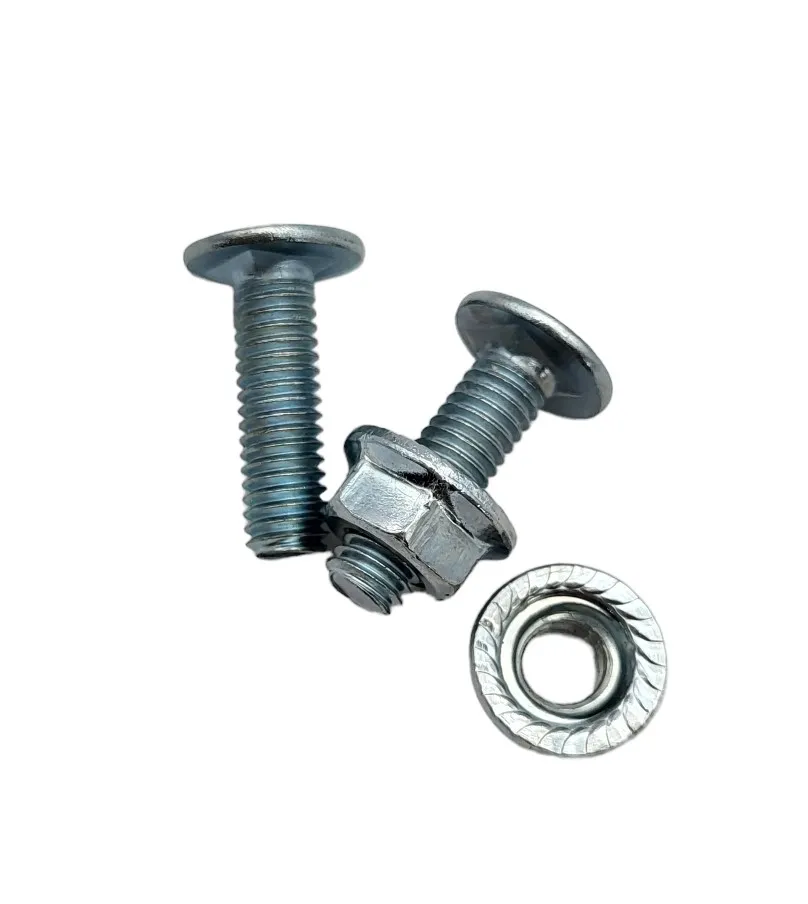
Proper installation starts with selecting suitable screw joints (e.g., M6 or M8 sets). Key steps: align cable trays, attach connectors at joints, tighten screws evenly, and fix the run to walls, ceilings, or floors. Typical support spacing is 1.5–3 meters depending on load and system – always follow manufacturer recommendations and local codes. This creates a safe, standards-compliant cable route with minimal effort.
Overview of Common Cable Tray Connection Types
| Connection Type | Description | Advantages | Typical Applications |
|---|---|---|---|
| Screw Connection | Joined with screws and nuts (e.g., M6x20 or M8x15) at side rails and base | High stability, vibration-resistant, adjustable | Industry, heavy loads, transformer stations |
| Snap / Quick Connection | Tool-free push-fit or latch systems (e.g., Magic systems) | Extremely fast installation, time-saving | Commercial, data centers, rapid projects |
| Connectors & Brackets | Additional fittings for bends, branches, or repairs | Flexible adaptation to complex routing | Complex runs in buildings and plants |
Frequently Asked Questions about Cable Tray Connections, Installation & Fixation
How do you install cable trays correctly?
Start with route planning. Align trays, connect them using screw joints or snap systems, and secure the run every 1.5–3 m to walls, ceilings, or floors. Ensure straight alignment and sufficient screws per joint for maximum stability.
What is the difference between screw and snap connections for cable trays?
Screw connections deliver superior mechanical strength and are ideal under vibration or heavy loads. Snap connections (tool-free) enable extremely fast installation – best when speed matters. Both options are available as accessories.
How do you securely fix a cable tray to a wall or ceiling?
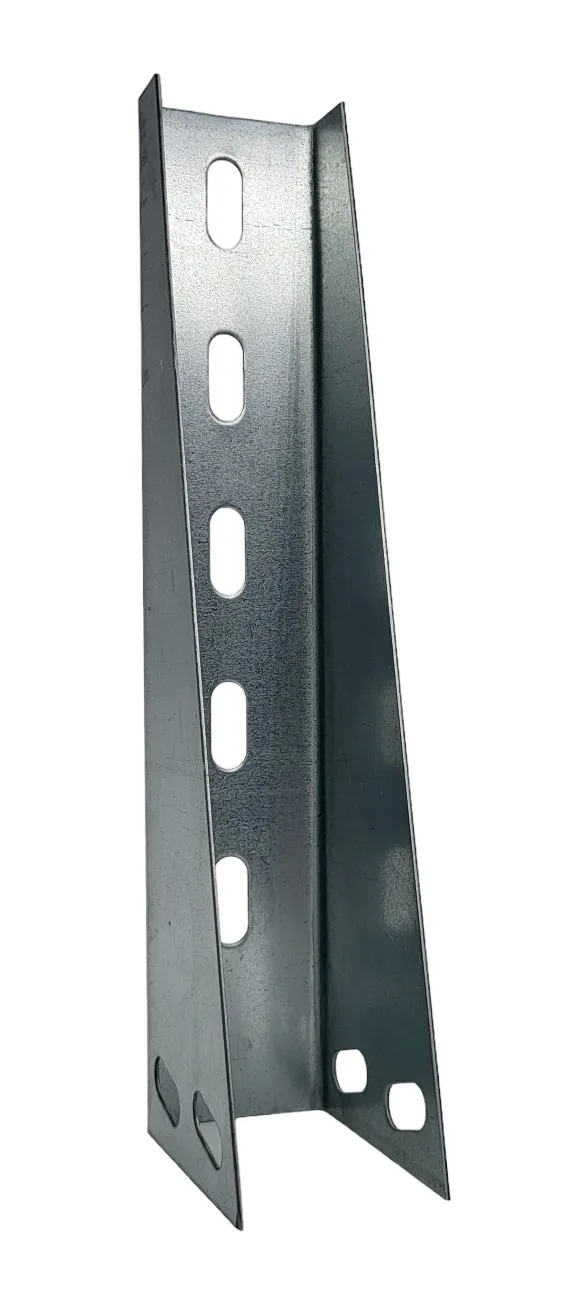
Use appropriate brackets, hangers, or consoles. Support spacing should be 1.5–3 m depending on tray width, cable load, and specs. Screw joints add rigidity between tray sections.
Which screws are best for cable tray connections?
M6x20 and M8x15 screw-nut sets are proven choices. These sizes fit most standard cable tray perforations and ensure secure, code-compliant joints.
What is the recommended support spacing for cable trays?
Typically 1.5–3 meters, depending on tray size, load, and manufacturer guidelines. Use shorter spans for heavier loads or ceiling mounts.
What should be considered when installing cable trays in transformer stations or industrial plants?
Prioritize robust screw connections and corrosion-resistant materials. Ensure equipotential bonding and fire-resistance compliance (e.g., DIN 4102). Neat routing prevents interference and eases maintenance.
Can cable trays be used in van conversions or vehicles?
Yes – compact trays with screw connections work excellently for mobile applications. They provide vibration-resistant, space-efficient cabling in campers, utility vehicles, or special-purpose builds.
How long does it take to install cable trays with screw connections?
With suitable screw sets and practice, each joint takes just a few minutes. Screw systems take slightly longer than snap-fit but deliver unmatched stability.
Why are quality cable tray connections important for electrical installations?
They prevent cable damage, reduce fire risks, simplify maintenance, and ensure standards-compliant, long-lasting installations – essential for safety and efficiency in professional projects.