



Type A
Buy at B2B prices
0% VAT for EU business customers.
Subscribe to the newsletter to receive the latest discount codes.



5% discount for orders over €5000
Subscribe to the newsletter to receive the latest discount codes.Free shipping to Germany
for orders over €500
Free shipping to Austria, Belgium and Netherlands
for orders over €1000
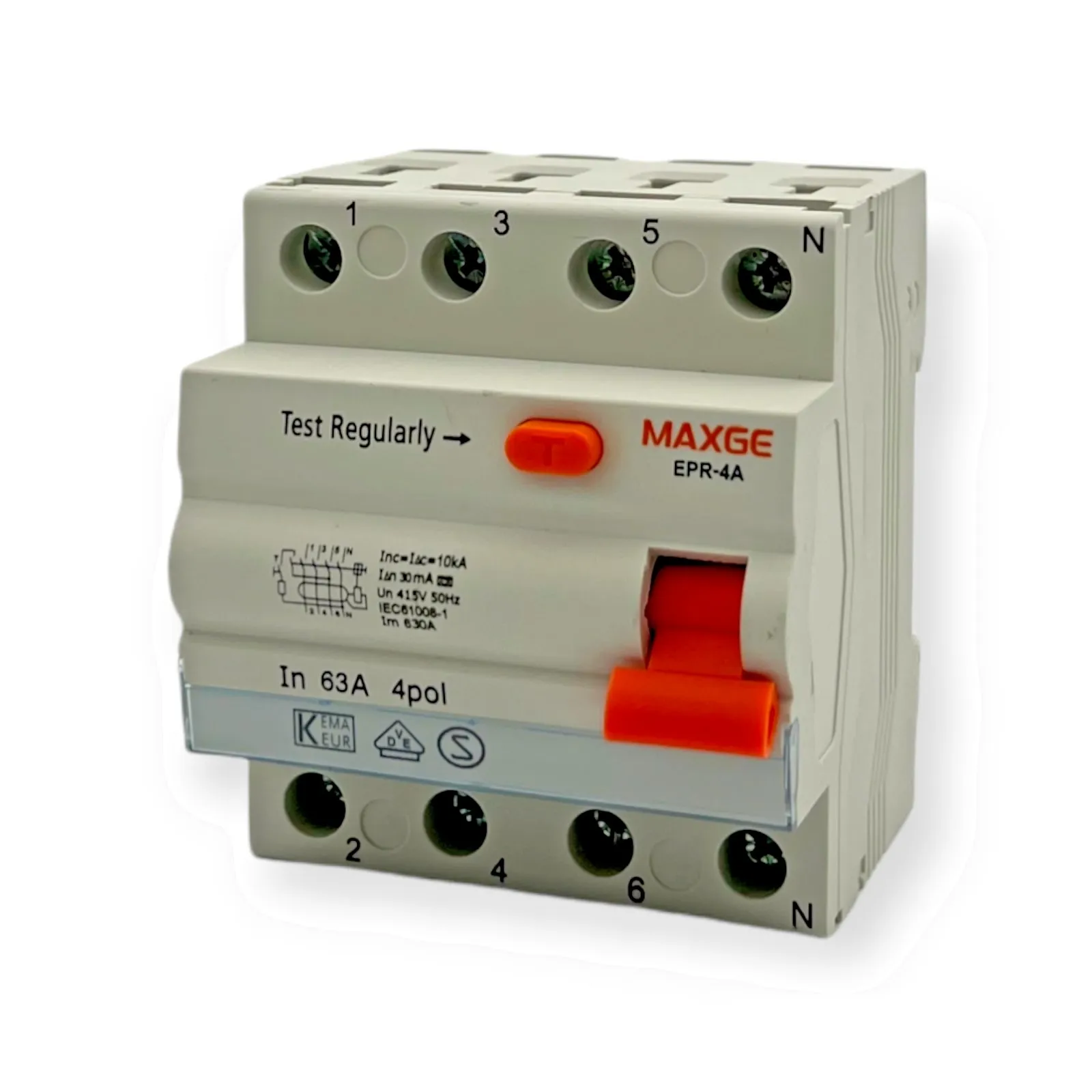
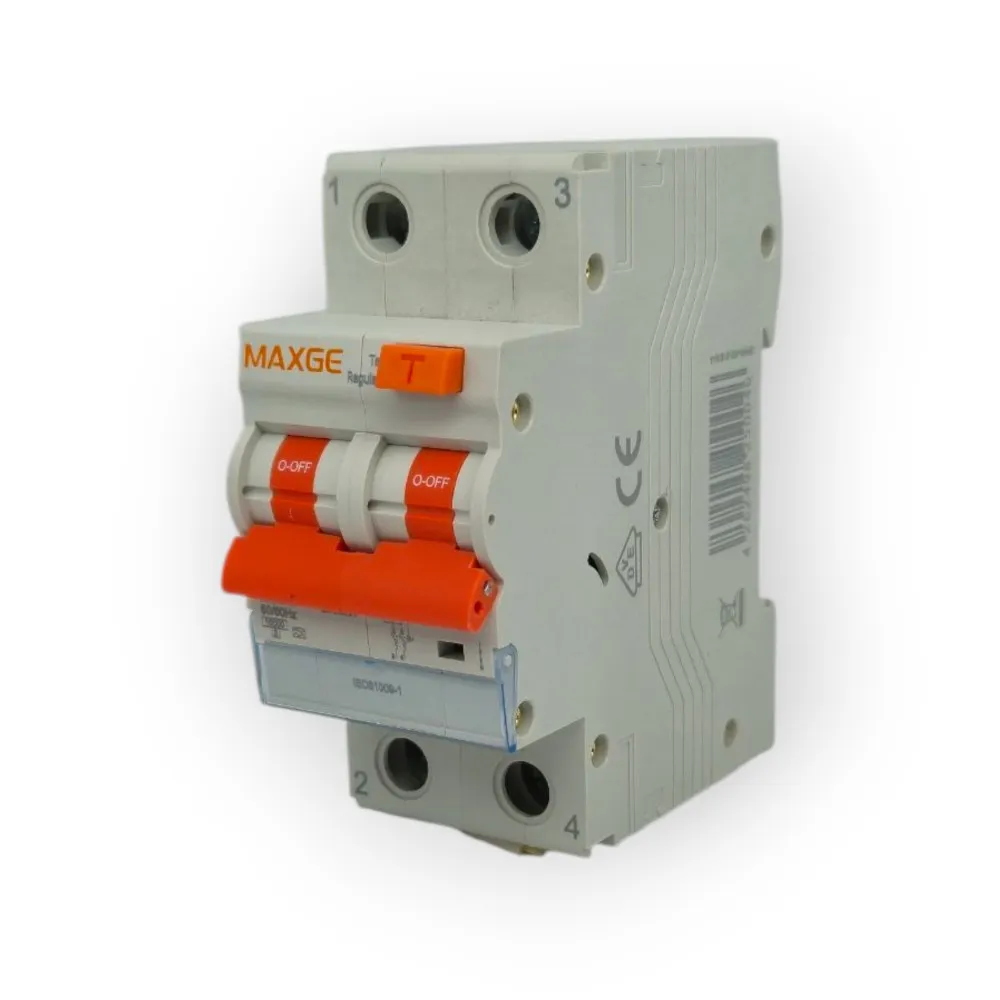
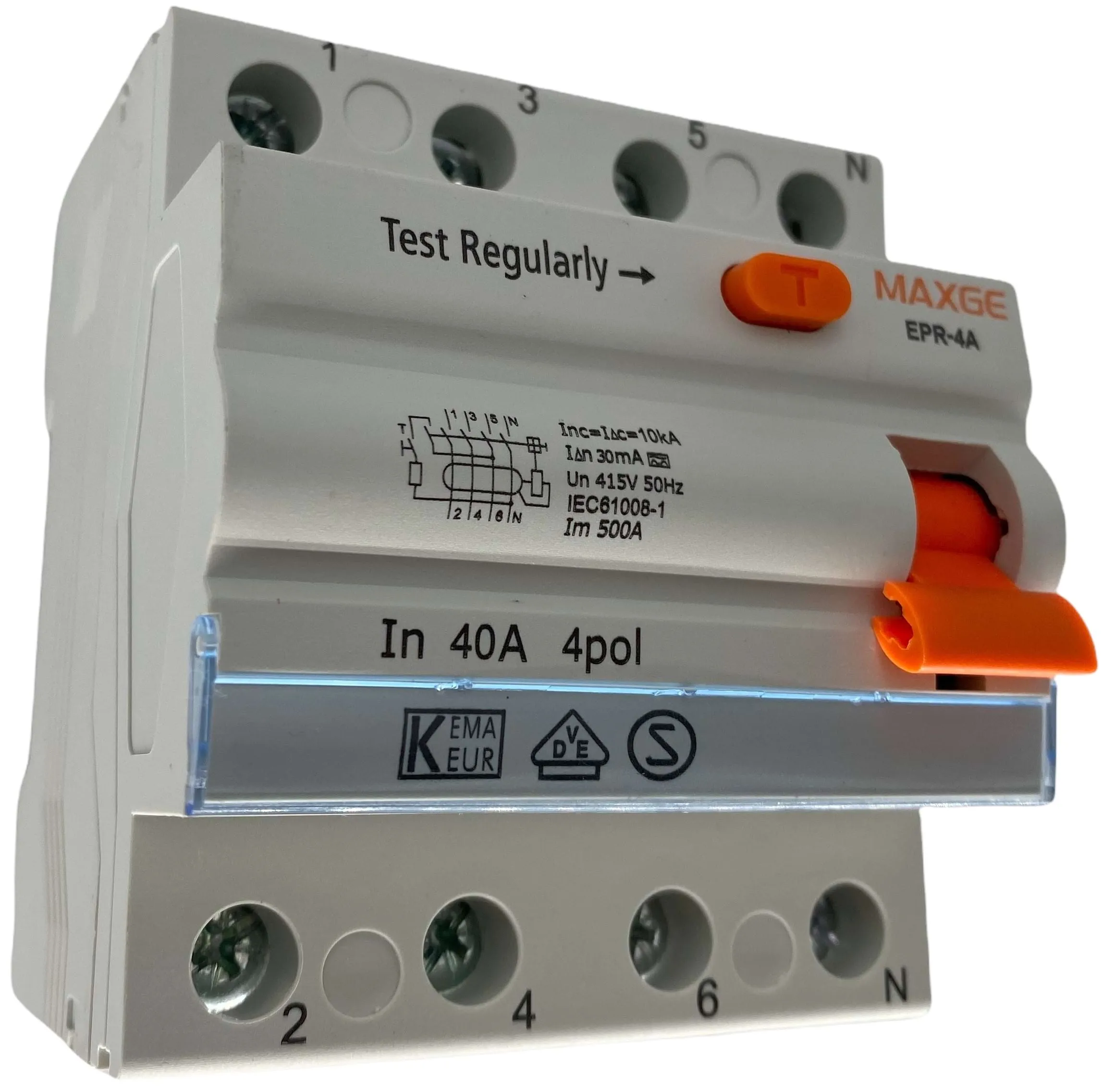
Type A RCD – Professional Residual Current Device for Reliable Protection in Commercial, Industrial and Van Conversion Projects
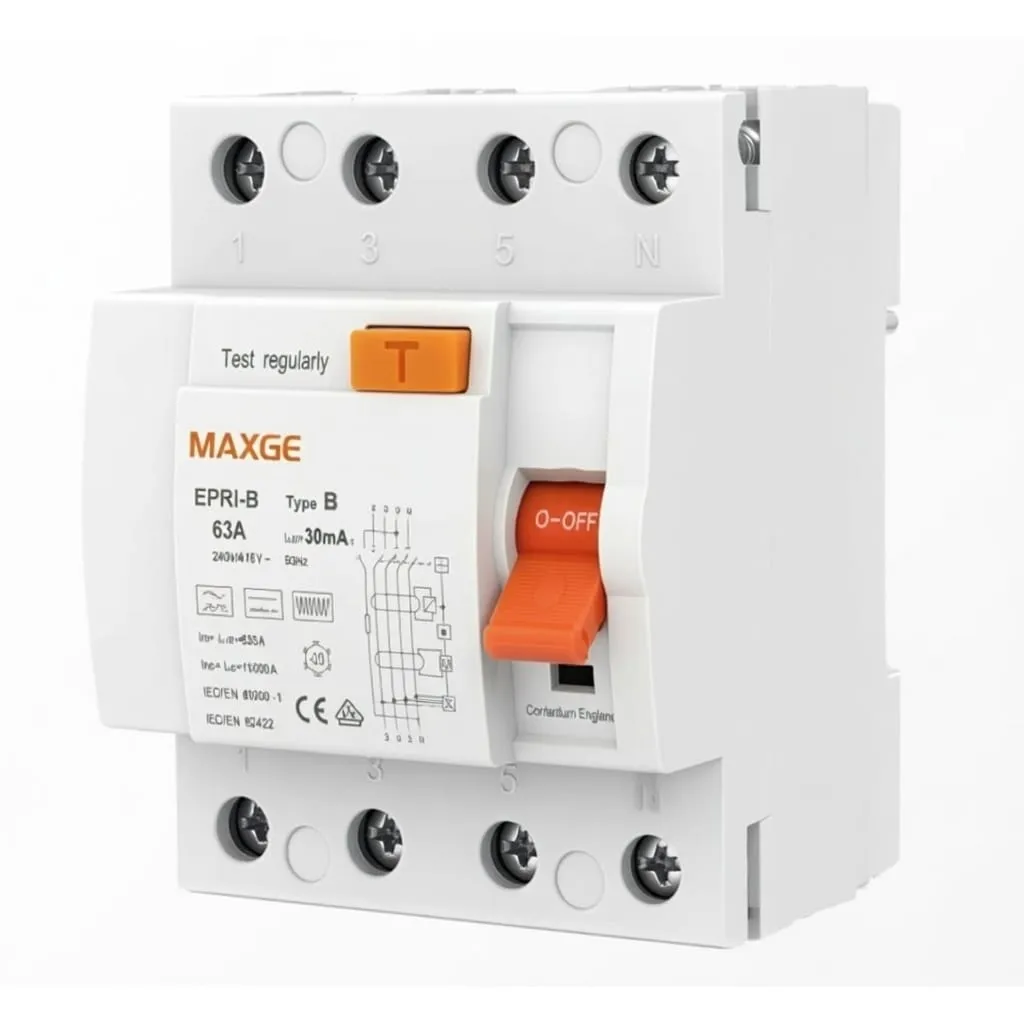
The Type A RCD (Residual Current Device, also known as RCCB) is the modern standard for personnel and equipment protection according to IEC 61008-1 and EN 61008-1. It reliably detects sinusoidal AC residual currents as well as pulsating DC fault currents and disconnects the circuit in milliseconds. This makes it the preferred choice for electrical contractors, construction companies, renovation firms, industrial facilities, research centres, and professional van / camper conversions.
How Type A RCDs Work and Their Technical Advantages
Unlike older Type AC RCDs, which only respond to pure sinusoidal AC fault currents, Type A devices additionally detect pulsating DC components up to 6 mA. These are commonly generated by electronic loads such as LED drivers, switched-mode power supplies, frequency converters (low power), washing machines, and inverters. The device trips at 30 mA differential current, providing excellent protection against electric shock while maintaining high immunity to nuisance tripping in professional installations.
Key Benefits for Professionals
Type A RCDs offer robust construction, easy DIN-rail mounting, long service life, and full compliance with IEC/EN standards. Available in 2-pole and 4-pole versions with rated currents from 16 A to 63 A (and higher), they are ideal for new installations and retrofits according to IEC 60364 / BS 7671 / DIN VDE 0100.
Applications and Real-World Uses of Type A RCDs
Type A RCDs are the go-to solution for the majority of modern electrical installations where pulsating DC fault currents may occur. Here are the most common professional applications:
- Electrical contractors and installation companies: Main and sub-distribution boards in residential and commercial buildings – fully compliant and inspection-ready.
- Construction and renovation companies: Site power distribution, upgrading existing installations, and socket circuits in older buildings.
- Industrial and manufacturing facilities: Protection of machinery control circuits, workshops, and office areas without high-power variable frequency drives.
- Van and camper conversions: Safe onboard electrical systems in motorhomes, panel vans, and commercial vehicles – protecting against faults from chargers, inverters, and vehicle electronics.
- Research centres and laboratories: Reliable protection for sensitive test benches and measurement equipment where safety and uptime are critical.
- Additional professional uses: Wet areas (bathrooms, kitchens, outdoor installations), IT and server rooms, emergency lighting, temporary site supplies, and preparatory circuits for photovoltaic systems (upstream of inverters).
Thanks to its versatility, the Type A RCD helps professionals deliver safe, future-proof installations across a wide range of projects.
RCD Type Comparison – Quick Overview for Correct Selection
| RCD Type | Sinusoidal AC | Pulsating DC | Smooth DC | Typical Professional Applications |
|---|---|---|---|---|
| Type AC | Yes | No | No | Legacy installations without electronics (largely outdated) |
| Type A | Yes | Yes | Up to 6 mA (not detected) | Commercial & industrial standard, van conversions, renovations, labs, socket circuits |
| Type F | Yes | Yes | Up to 10 mA + mixed frequencies | Heat pumps, modern LED systems, higher-frequency appliances |
| Type B / B+ | Yes | Yes | Yes (up to 100 kHz) | PV systems, EV chargers, high-power VFDs, industrial electronics |
Note: Type A covers the vast majority of professional installations and offers the best balance of safety, compliance, and cost-effectiveness in most cases.
Frequently Asked Questions about Type A RCDs (FAQ)
1. What is the difference between Type A and Type AC RCDs?
Type AC only detects pure sinusoidal AC residual currents. Type A additionally detects pulsating DC fault currents generated by electronic equipment, making it the current standard for safe installations.
2. When should I use a Type A RCD?
Use Type A wherever modern electronic loads are present – virtually all new builds, retrofits, and upgrades according to current wiring regulations (IEC 60364 / BS 7671).
3. Is a Type A RCD suitable for industrial and commercial installations?
Yes. It is the standard choice for general power and control circuits. For high-power frequency converters or smooth DC leakage, consider Type B.
4. Can Type A RCDs be used in van and camper conversions?
Absolutely. They provide essential protection for onboard systems against faults from chargers, inverters, and vehicle electronics and are widely recommended for professional motorhome and campervan electrical setups.
5. How often should a Type A RCD be tested?
Monthly via the test button and annually by a qualified electrician with proper test equipment, in line with health & safety and maintenance regulations.
6. Does the Type A RCD comply with all relevant standards?
Yes – it meets IEC/EN 61008-1 and carries appropriate certifications, making it fully acceptable for commercial, industrial, and vehicle projects.
7. When should I choose Type F or Type B instead of Type A?
Choose Type F for appliances with mixed frequencies (e.g. heat pumps). Use Type B for PV inverters, EV charging stations, or applications with smooth DC residual currents above 6 mA.
8. Are Type A RCDs suitable for construction sites and renovation projects?
Yes – they deliver fast, reliable personnel protection in temporary supplies and site distribution boards.
9. What pole configurations and current ratings are common for Type A RCDs?
2-pole for single-phase and 4-pole for three-phase systems. Popular ratings include 16 A, 25 A, 40 A, and 63 A at 30 mA sensitivity.
10. Why should electrical contractors and construction companies specify Type A RCDs?
They reduce liability risks, enhance overall system safety, meet current regulations, and provide excellent value for the majority of professional projects.