



Wire end ferrules
Buy at B2B prices
0% VAT for EU business customers.
Subscribe to the newsletter to receive the latest discount codes.
5% discount for orders over €5000
Subscribe to the newsletter to receive the latest discount codes.Free shipping to Germany
for orders over €500
Free shipping to Austria, Belgium and Netherlands
for orders over €1000
Wire Ferrules for H07V-K Stranded Wire – Professional Protection and Reliable Connections
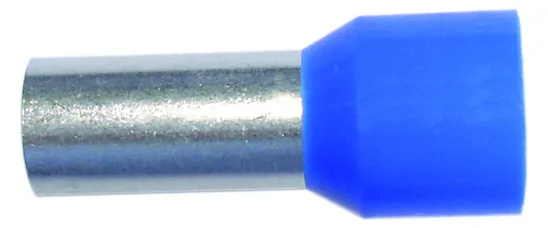
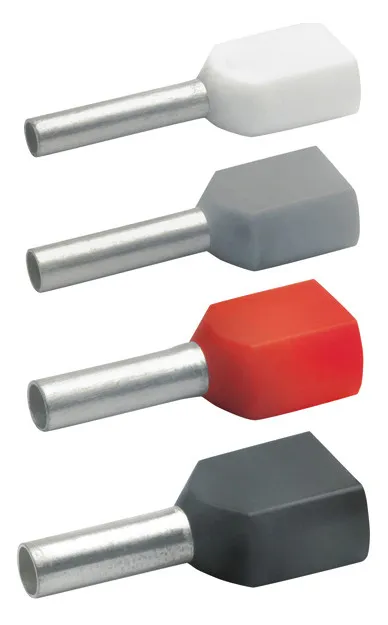
Wire ferrules (also known as cord end terminals or bootlace ferrules) are essential when terminating flexible stranded conductors such as H07V-K. They bundle the fine strands, prevent fraying, strand breakage, or splaying, and ensure a secure, low-resistance connection in screw terminals, Wago connectors, and other devices.
Why Use Wire Ferrules with H07V-K Flexible Wire?
H07V-K is a highly flexible PVC-insulated single-core cable (Class 5 fine-stranded conductor) rated 450/750V, ideal for internal wiring in control panels, switchgear, conduit systems, and electrical installations. Unlike rigid solid wire (H07V-U), the fine copper strands of H07V-K can easily bend, fray, or get damaged when inserted into terminals.
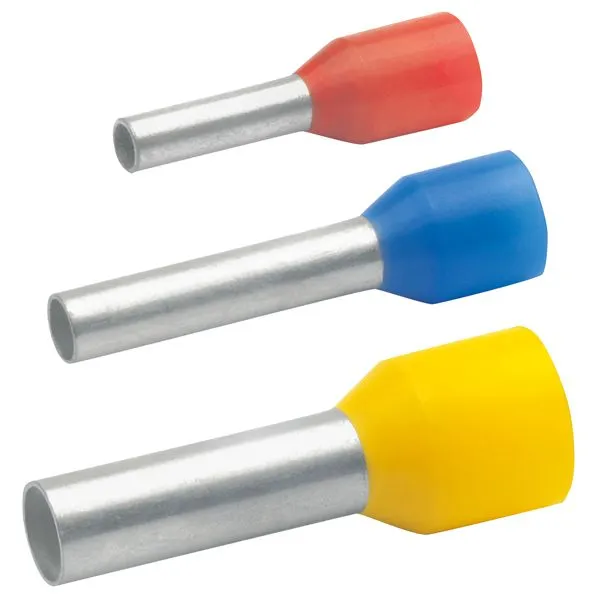
Wire ferrules according to DIN 46228 solve this by providing a tinned copper sleeve that is crimped gas-tight onto the stripped conductor. The integrated plastic funnel (collar) makes insertion effortless and prevents individual strands from escaping into the terminal.
Key Benefits of Using Wire Ferrules in Professional Installations
- Protects fine strands from fraying, breaking, or splaying under screw pressure
- Creates vibration-resistant, long-term stable connections with low contact resistance
- Simplifies insertion into Wago lever connectors, screw terminals, and sockets
- Reduces the risk of loose connections, overheating, or short circuits
- Ensures compliance with international standards and best practices for electrical safety
- Colour-coded collars allow quick visual identification of cross-section
Applications of H07V-K Wire with Ferrules
H07V-K combined with high-quality wire ferrules is widely used in demanding environments where reliability and flexibility are critical:
- Electrical installations and renovations: Safe termination in distribution boards, sockets, and switches
- Control cabinet and panel building: Neat, professional wiring of switchgear and automation systems
- Industrial and machinery applications: Vibration-proof connections in motors, machines, and equipment
- Construction and commercial projects: Fixed installations in dry indoor locations
- Van conversion and campervan electrical systems: Secure 12V/24V and 230V wiring that withstands road vibration
- Research laboratories and test facilities: Precise, maintenance-friendly wiring for measurement and control equipment
Professionals especially recommend wire ferrules when using fine-stranded H07V-K with Wago spring-cage terminals or traditional screw terminals for maximum contact stability and service life.
Choosing the Right Wire Ferrule for Your Cable – Selection Guide
The correct ferrule must match the conductor cross-section of the H07V-K wire. Always use a proper ratchet crimping tool for a gas-tight crimp. Note that using a ferrule slightly reduces the effective insertion cross-section – always check terminal manufacturer specifications.
Wire Ferrules Cross-Section Table (Insulated, DIN 46228 Part 4)
| Conductor Cross-Section | Colour Code (Collar) | Typical Ferrule Length | Common Applications with H07V-K |
|---|---|---|---|
| 0.75 mm² | Grey | 14–16 mm | Control and signal wiring |
| 1.0 – 1.5 mm² | Red / Black | 14–18 mm | Lighting circuits and sockets |
| 2.5 mm² | Blue | 14–18 mm | Standard power circuits up to 16 A |
| 4.0 – 6.0 mm² | Grey / Black | 17–20 mm | Heavier loads and van conversions |
| 10 mm² | Ivory / Red | 22–28 mm | Main feeds and distribution boards |
Pro Tip: For Wago connectors, use a square or hexagonal crimp where possible and always verify the latest manufacturer approval for ferrule use.
Best Practices for Crimping Wire Ferrules
1. Strip the conductor cleanly (approx. 10–12 mm, depending on ferrule length).
2. Insert the strands straight into the ferrule without twisting.
3. Crimp gas-tight using a calibrated ratchet tool with the correct die (square, trapezoid, or hexagonal).
4. Visually inspect: No stray strands, collar intact, and secure crimp.
Following these steps delivers professional, safe, and code-compliant terminations that electricians and installers rely on daily.
Frequently Asked Questions about Wire Ferrules (FAQ)
Are wire ferrules required or recommended for Wago connectors?
For many Wago lever-nut connectors (e.g., 221 series), ferrules are permitted when properly crimped gas-tight. They can improve contact reliability with fine-stranded wires like H07V-K. Always check the specific Wago datasheet for approval.
How do I choose the correct wire ferrule size for my cable?
Match the ferrule exactly to the conductor cross-section (see table above). The colour-coded plastic collar follows the DIN 46228 standard for quick identification.
Do I always need wire ferrules when using H07V-K stranded wire?
Highly recommended for screw terminals and many push-in or spring terminals to prevent strand damage and ensure a secure connection. For some Wago connectors designed for fine-stranded wire, ferrules are optional but often preferred for long-term reliability.
What are the advantages of wire ferrules in van or campervan conversions?
In mobile installations, ferrules protect against vibration, prevent loosening over rough roads, and provide reliable connections in both low-voltage (12V/24V) and mains (230V) systems.
What types of wire ferrules are available?
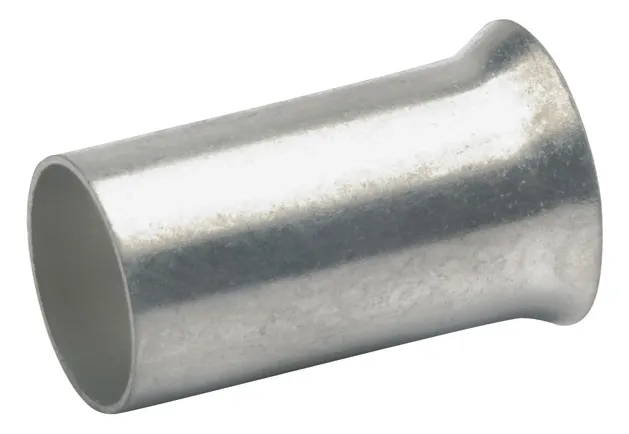
Common types include insulated (with plastic collar), uninsulated, twin ferrules (for two wires in one terminal), and extra-long versions. For most H07V-K applications, insulated single ferrules according to DIN 46228 Part 4 are the standard choice.
How do I determine the right ferrule length?
The ferrule length should allow the stripped conductor to fill the metal sleeve completely while the plastic collar remains outside the terminal. Typical lengths range from 8 mm to 18 mm for the crimped section.
Have more questions about wire ferrules, H07V-K cable selection, or your specific project? Our team is happy to provide expert advice tailored to your needs.