



Cable trays and covers
Buy at B2B prices
0% VAT for EU business customers.
Subscribe to the newsletter to receive the latest discount codes.
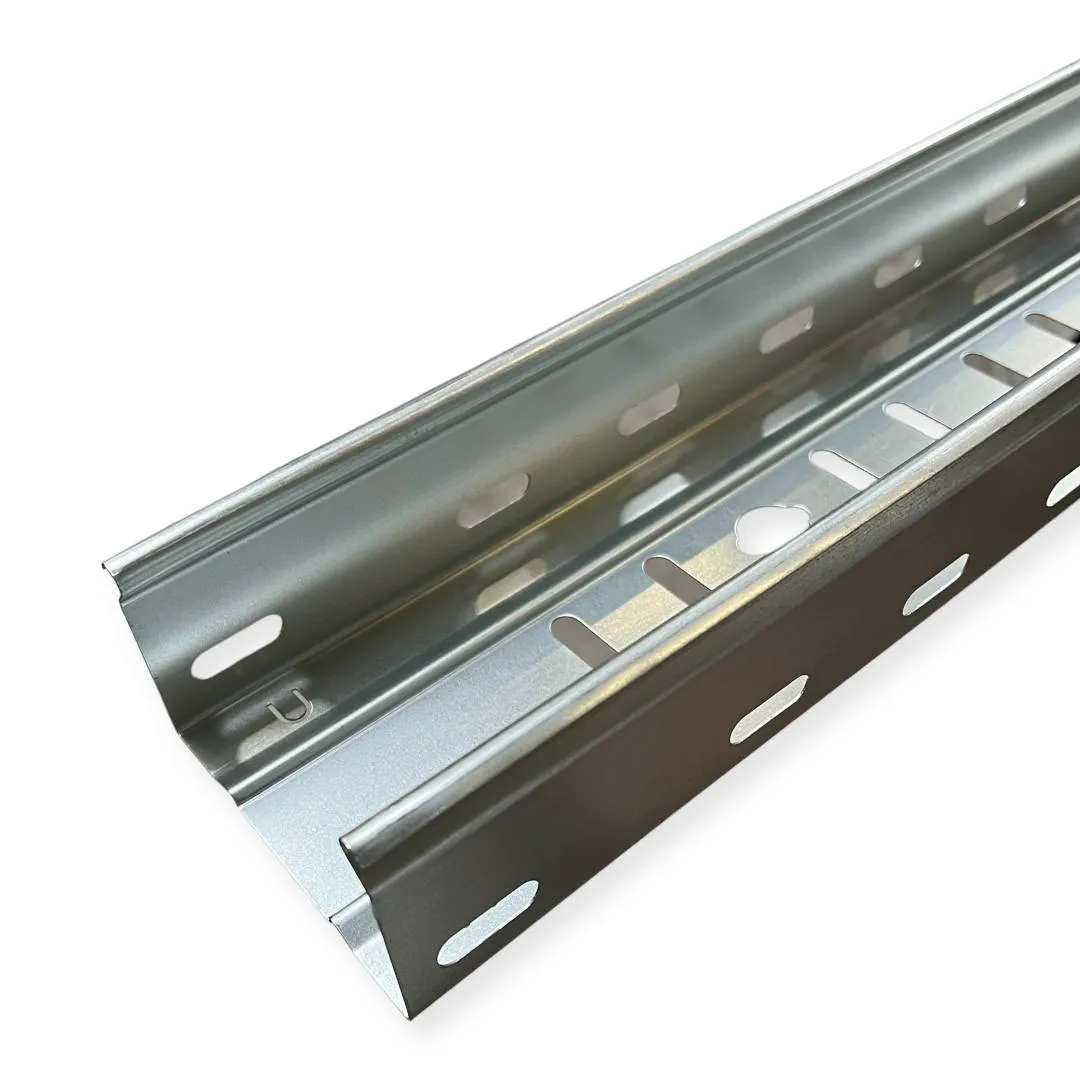
Content: 2 Meter (€8.95* / 1 Meter)
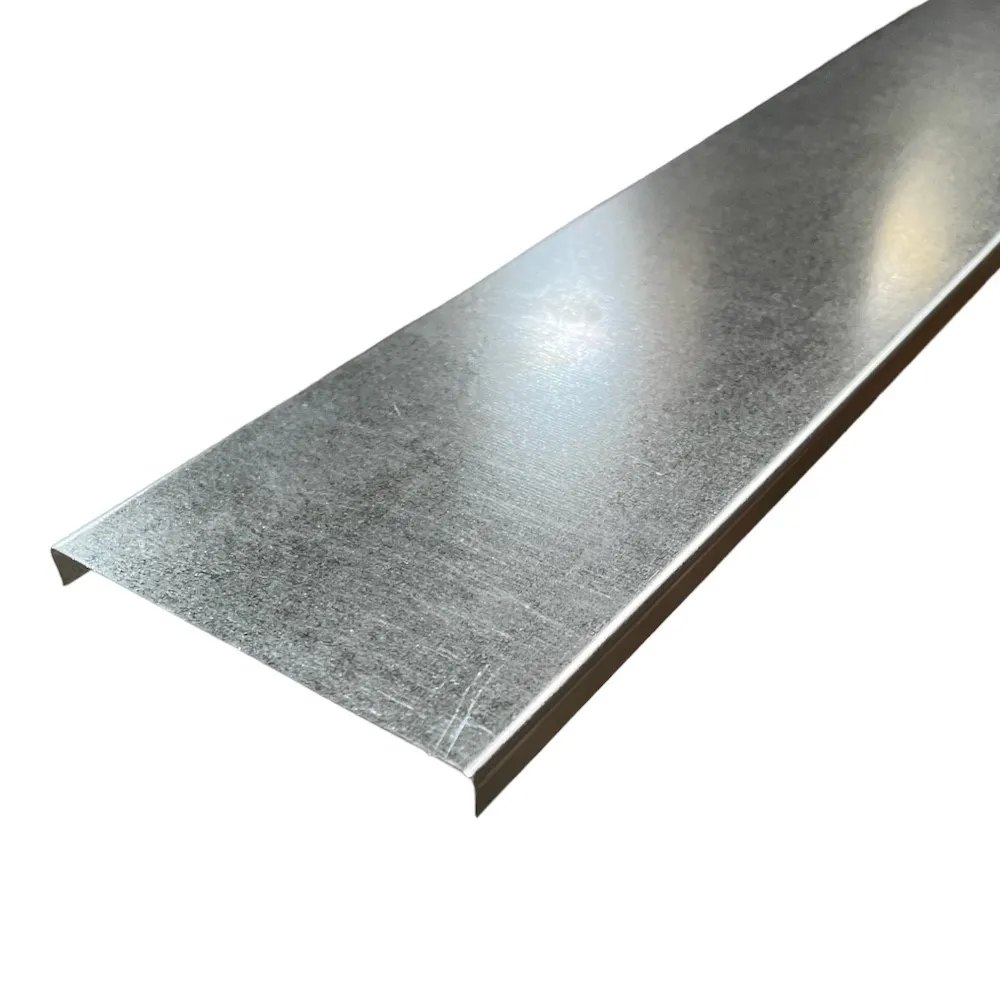
Content: 2 Meter (€9.50* / 1 Meter)
Content: 2 Meter (€12.13* / 1 Meter)
Content: 2 Meter (€14.98* / 1 Meter)
Content: 2 Meter (€10.06* / 1 Meter)
Content: 2 Meter (€6.61* / 1 Meter)
Content: 2 Meter (€10.29* / 1 Meter)
5% discount for orders over €5000
Subscribe to the newsletter to receive the latest discount codes.Free shipping to Germany
for orders over €500
Free shipping to Austria, Belgium and Netherlands
for orders over €1000
Cable Trays with Covers – Professional Cable Management Systems for Safe and Organized Routing
Cable trays with covers provide electrical contractors, construction companies, industrial facilities, renovation firms, research centers, van conversion specialists, and marine professionals with a reliable solution for professional cable routing. Whether you need cable trays with covers, galvanized systems, or matching lids — our high-quality cable trays protect cables from dust, moisture, mechanical damage, and ensure optimal ventilation and easy maintenance.
They are ideal for ceiling mounting, wall installations, basements, attics, or outdoor applications and comply with international standards such as CE, IEC, and NEMA.
Benefits of Cable Trays with Covers
- Excellent cable protection while maintaining superior heat dissipation through perforated or ventilated designs.
- Easy installation and quick lid removal for fast access during maintenance or upgrades.
- High load capacity and long service life — perfect for standard and heavy-duty applications.
- Modular system with fittings, elbows, reducers, and supports for custom routing.
- Improved safety, cleanliness, and organization in commercial and industrial environments.
Applications of Cable Trays with Covers
Cable trays with covers are used across many industries to ensure safe, code-compliant, and service-friendly cable management:
- Electrical Installations & New Builds / Renovations: Ceiling and wall mounting in offices, warehouses, and residential buildings.
- Industrial & Manufacturing Plants: Heavy power cables in factories and logistics centers using heavy-duty cable trays.
- Data Centers & Research Facilities: Organized power and data cabling with excellent EMC protection thanks to covers.
- Van Conversion & Vehicle Fit-Outs: Compact and vibration-resistant systems for campers and commercial vehicles.
- Marine & Shipbuilding: Corrosion-resistant stainless steel trays for harsh environments.
- Outdoor, Garden & Rooftop Installations: Weatherproof solutions with covers for outdoor cable protection.
- Basements, Attics & Retrofit Projects: Clean and protected cable routing in existing buildings.
Types, Dimensions & Selection Guide
Choosing the right cable tray depends on cable volume, load requirements, and installation method. Popular sizes such as 100x60 mm, 200x100 mm, and 80x60 mm cover most applications. Galvanized steel is standard for indoor use, while stainless steel is preferred for outdoor or aggressive environments.
| Dimensions (Width x Height in mm) | Typical Applications | Key Features |
|---|---|---|
| 80 x 60 | Small installations, van conversions, attics | Compact, lightweight, ideal for limited cable volumes |
| 100 x 60 | Standard electrical work, ceiling mounting, basements | Versatile, excellent ventilation |
| 200 x 60 | Medium-duty industrial and commercial projects | Higher capacity, walkable with cover |
| 200 x 100 | Heavy-duty, data centers, large power cables | High load-bearing capacity |
| 300 x 100 / 100 x 300 | Wide industrial and infrastructure runs | Maximum cable capacity, fully modular |
Installation and Accessories for Cable Tray Systems
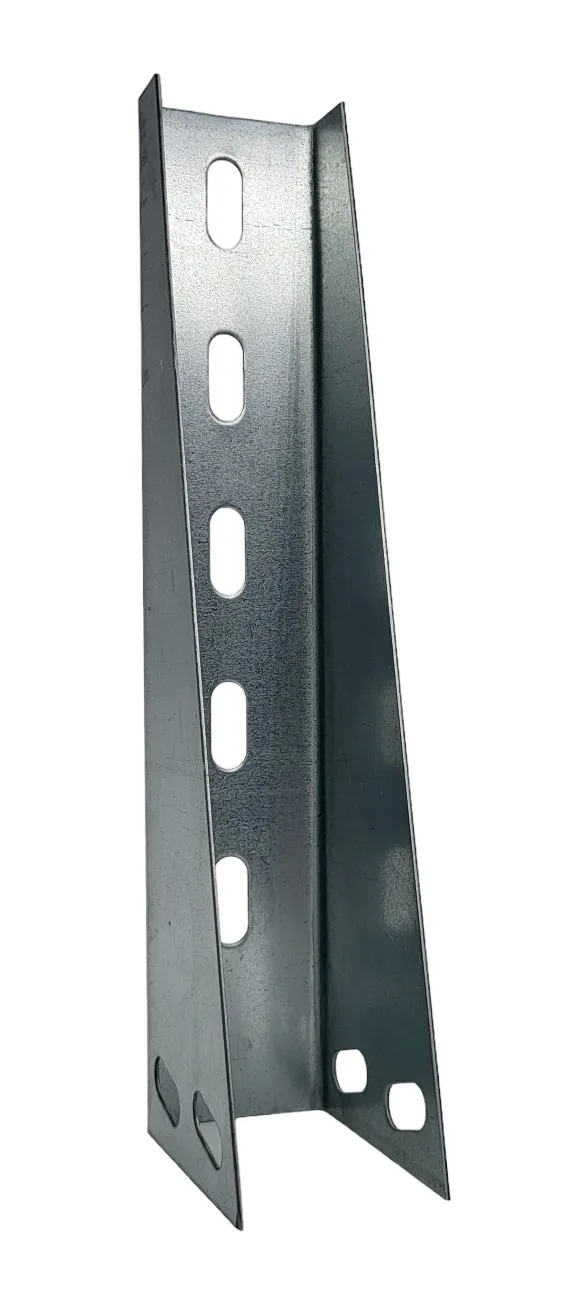
Cable trays can be easily mounted on ceilings, walls, or floors. Essential accessories include covers with clamps, elbows, T-pieces, reducers, and support brackets. Specialized fittings allow complex routing with 90° bends or branches. For ceiling installations, use strong hangers and cantilever arms.
Frequently Asked Questions (FAQ)
1. What is the difference between a cable tray and cable trunking?
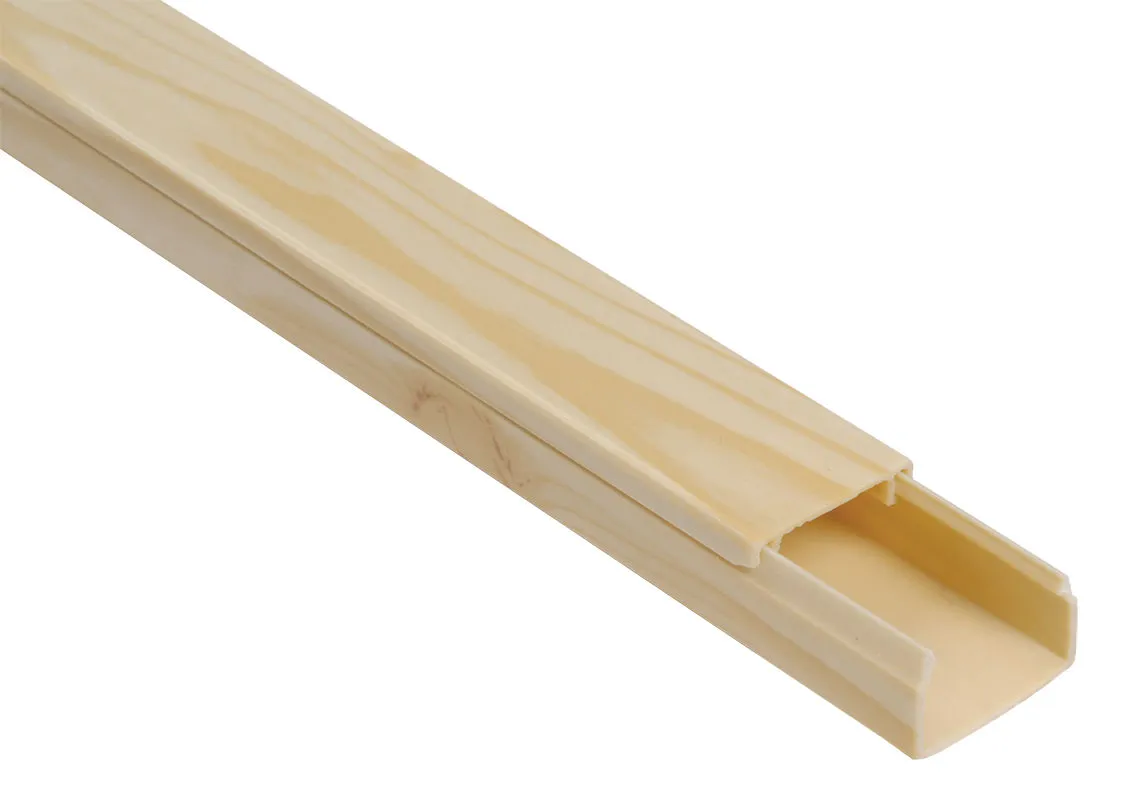
Cable trays are open support systems with excellent ventilation and easy access, ideal for industrial and high-volume installations. Cable trunking is usually a closed profile for smaller indoor applications. Cable trays with covers combine the best of both: protection plus accessibility.
2. Why choose cable trays with covers?
Covers protect cables from dust, moisture, accidental contact, and UV exposure, increase safety, and make the tray walkable. They keep installations neat and maintenance-friendly — especially important for professional electricians and industrial facilities.
3. How do I choose the right size (e.g. 100x60 or 200x100)?
Base your choice on total cable cross-section, quantity of cables, and required load capacity. 100x60 mm works for most standard jobs, while 200x60 mm or 200x100 mm is better for larger or heavier cable bundles.
4. Are cable trays suitable for ceiling mounting?
Yes. Cable trays are excellent for ceiling installations. With proper hangers, suspension rods, and brackets they create a stable, space-saving solution commonly used in commercial and industrial buildings.
5. Can cable trays with covers be used outdoors, in basements, or attics?
Absolutely. Galvanized or stainless steel versions with covers are suitable for outdoor, damp, or attic environments. They provide reliable protection against weather and condensation.
6. What accessories are needed for a complete cable tray system?
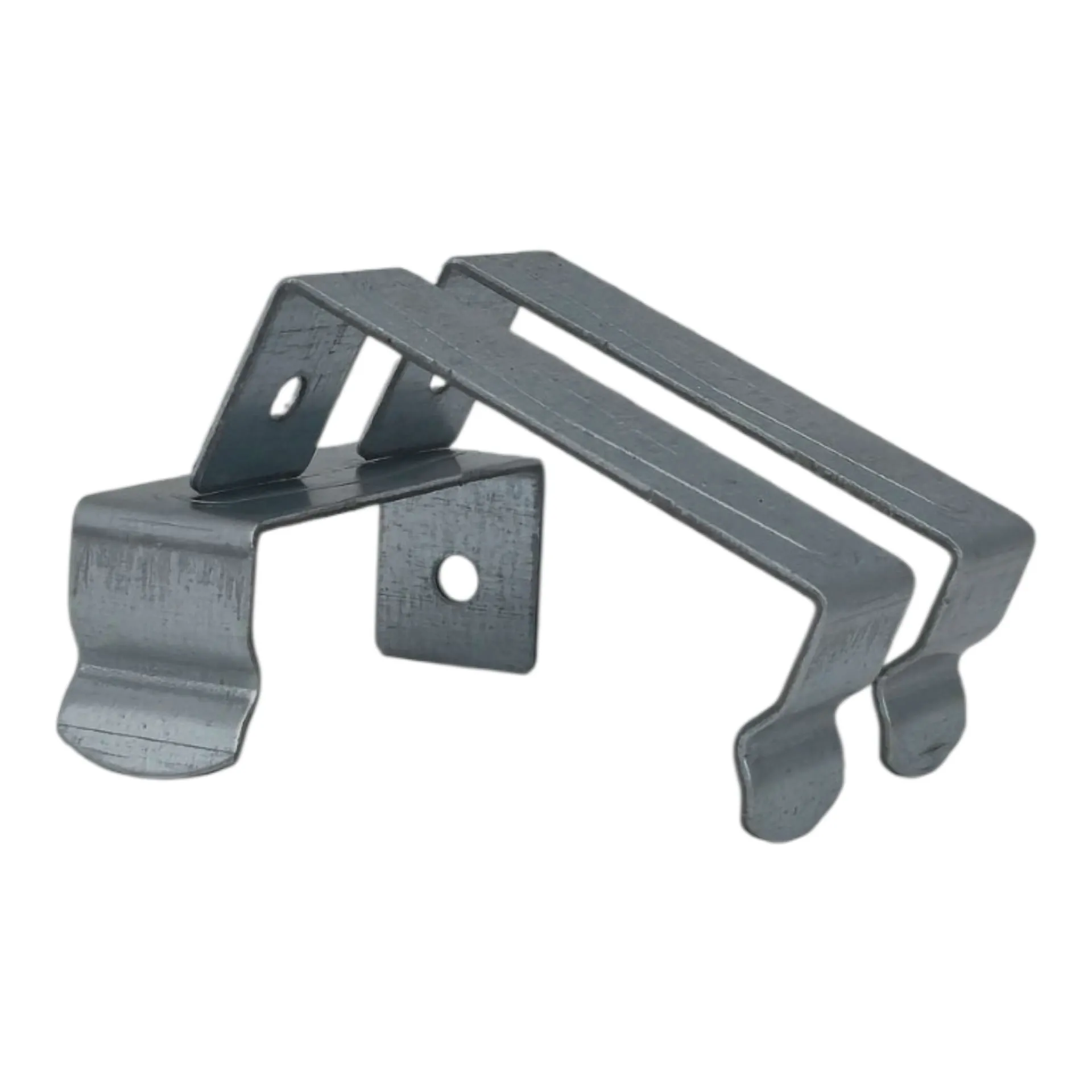
Essential items include lids, cover clamps, elbows, T-fittings, reducers, and mounting brackets. These allow flexible routing including 90° corners and branches.
7. How are the covers attached to the cable tray?
Usually with quick-release clamps, snap-on systems, or screws. This enables tool-free or low-tool access for fast maintenance — a major advantage over fixed trunking.
8. Which industries benefit most from cable trays with covers?
Electrical contractors, construction & renovation companies, industrial plants, shipbuilding, research centers, and van conversion specialists. They support everything from low-voltage to heavy power installations.
9. What standards and regulations apply?
Look for CE marking, NEMA, IEC, and relevant fire protection standards (e.g. E90). Load capacity must match support spacing and cable weight.
10. How do I properly plan a cable tray installation?
Calculate cable volume and routing paths first, select appropriate dimensions and material, then plan fittings and support distances. Our modular systems allow quick on-site adjustments.