



Cable trays
Buy at B2B prices
0% VAT for EU business customers.
Subscribe to the newsletter to receive the latest discount codes.


5% discount for orders over €5000
Subscribe to the newsletter to receive the latest discount codes.Free shipping to Germany
for orders over €500
Free shipping to Austria, Belgium and Netherlands
for orders over €1000
Cable Trays, Cable Ladders & Cable Trunking Systems – Professional Cable Management Solutions
Discover a comprehensive range of high-quality cable trays and cable ladders at ekabel24.com – the reliable choice for safe, organized, and standards-compliant routing of power, data, and control cables. Whether you need hot-dip galvanized steel, stainless steel, or halogen-free plastic systems, our solutions meet DIN EN 61537 and international standards. Ideal for electrical contractors, construction companies, industrial facilities, research centers, van conversion specialists, and renovation professionals.
What Are Cable Trays, Cable Ladders, and Cable Trunking?
Cable trays are open support systems designed for carrying and organizing cables and wires. The terms cable tray, cable ladder, and cable trunking are often used interchangeably, though they differ slightly in design. According to DIN EN 61537 (and equivalent IEC standards), cable support systems provide secure, accessible, and flexible routing for cables in both indoor and outdoor environments. Unlike closed cable ducts, open cable trays offer better ventilation, easier access, and greater flexibility for future expansions.
Difference Between Cable Tray, Cable Ladder, and Cable Trunking
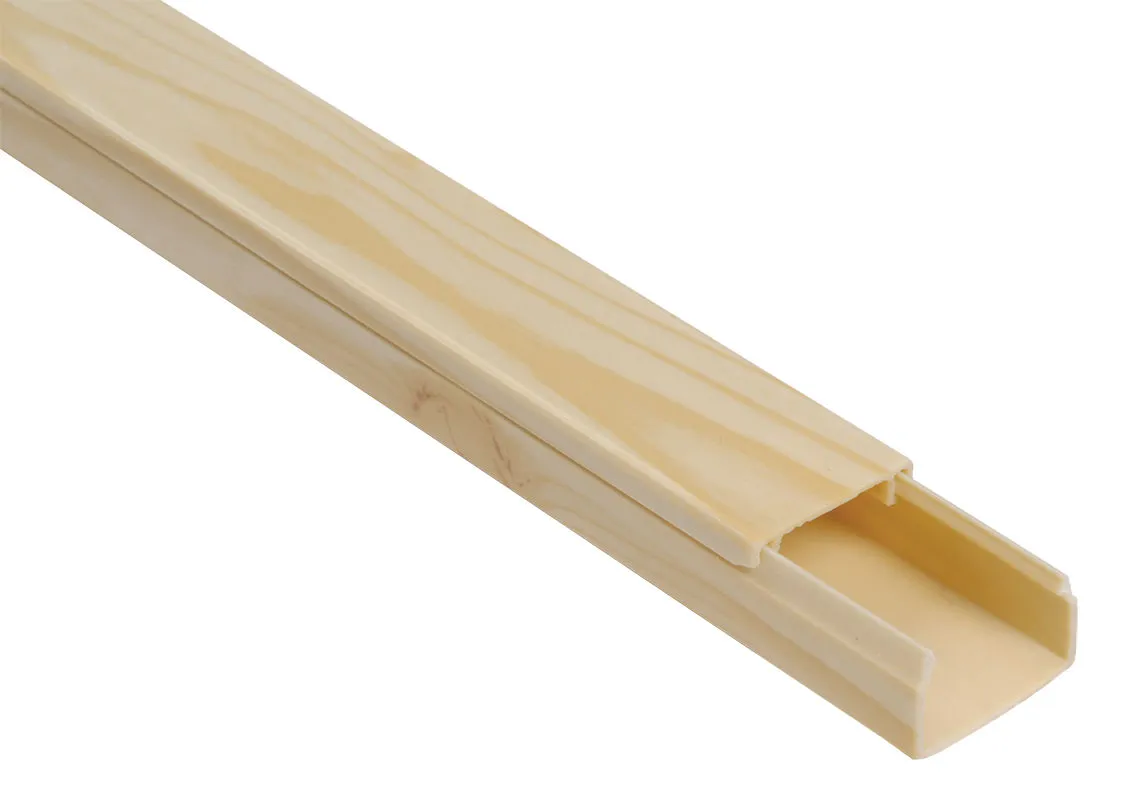
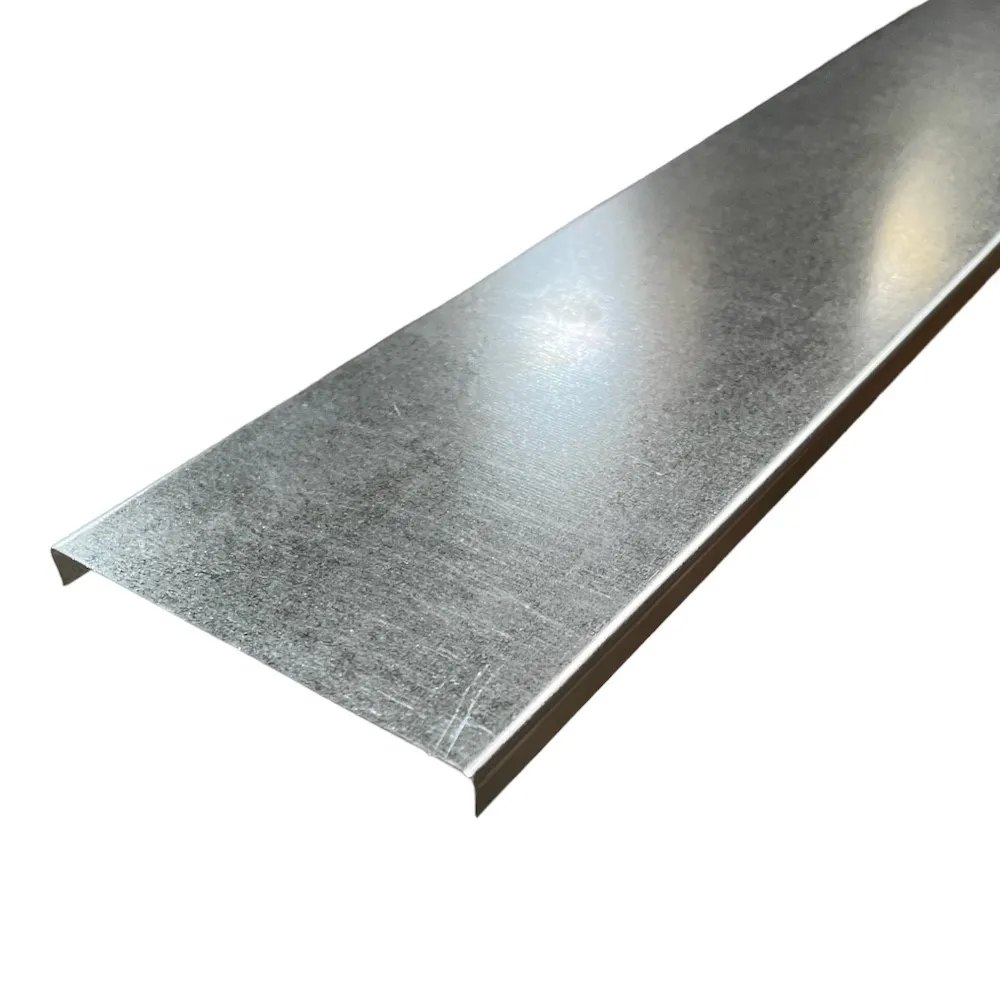
A cable tray is typically a solid or perforated channel. Cable ladders (also called cable rungs) feature cross-members and are ideal for heavy power cables. Cable trunking usually refers to closed or semi-closed systems. Choosing the right type depends on load, environment, and installation requirements.
Benefits of Professional Cable Tray Systems
Modern cable trays deliver high load-bearing capacity, excellent corrosion resistance, and fast installation. They simplify cable routing, reduce fire load (especially halogen-free versions), ensure long-term performance, and help comply with VDE, IEC, and NEC standards. Electrical contractors and construction teams benefit from significant time savings, improved safety, and cleaner installations.
Material Comparison for Cable Trays
| Material | Key Advantages | Typical Applications |
|---|---|---|
| Hot-Dip Galvanized Steel / Powder-Coated | High mechanical strength, cost-effective, excellent load capacity | Industrial plants, warehouses, commercial buildings, machinery |
| Stainless Steel (AISI 304 / 316) | Superior corrosion resistance, hygienic, extremely durable | Food & beverage, chemical industry, laboratories, outdoor & marine |
| Halogen-Free Plastic / GRP (Fiberglass) | Lightweight, corrosion-proof, low smoke & fire load, electrically insulating | Data centers, offices, humid areas, renovation projects |
Applications of Cable Trays and Cable Ladders
Cable trays are used wherever cables must be installed safely, neatly, and in compliance with regulations. Their versatility drives demand across many professional sectors.
Industrial & Manufacturing
In factories and production facilities, robust cable trays manage heavy power cables, control wiring, and data networks. High load capacity and easy expandability ensure reliable operation.
Construction & Building Renovation
Perfect for new builds, retrofits, and modernization projects. Cable trays enable clean routing in ceilings, walls, on trapezoidal roofs, or raised floors – widely used by electrical contractors and builders.
Research Centers & Laboratories
Stainless steel and plastic cable trays provide interference-free routing for sensitive measurement, data, and instrumentation cables in cleanroom and technical environments.
Van Conversion & Vehicle Electrification
Compact and vibration-resistant cable trays are increasingly popular for professional campervan builds, commercial vehicle conversions, and mobile electrical installations.
Additional Applications
Ceiling mounting, wall mounting, floor installations, outdoor (weatherproof) setups, garden & rooftop installations, trapezoidal sheet metal roofs, raised floors, and intermediate ceiling voids.
Installation & Mounting Options
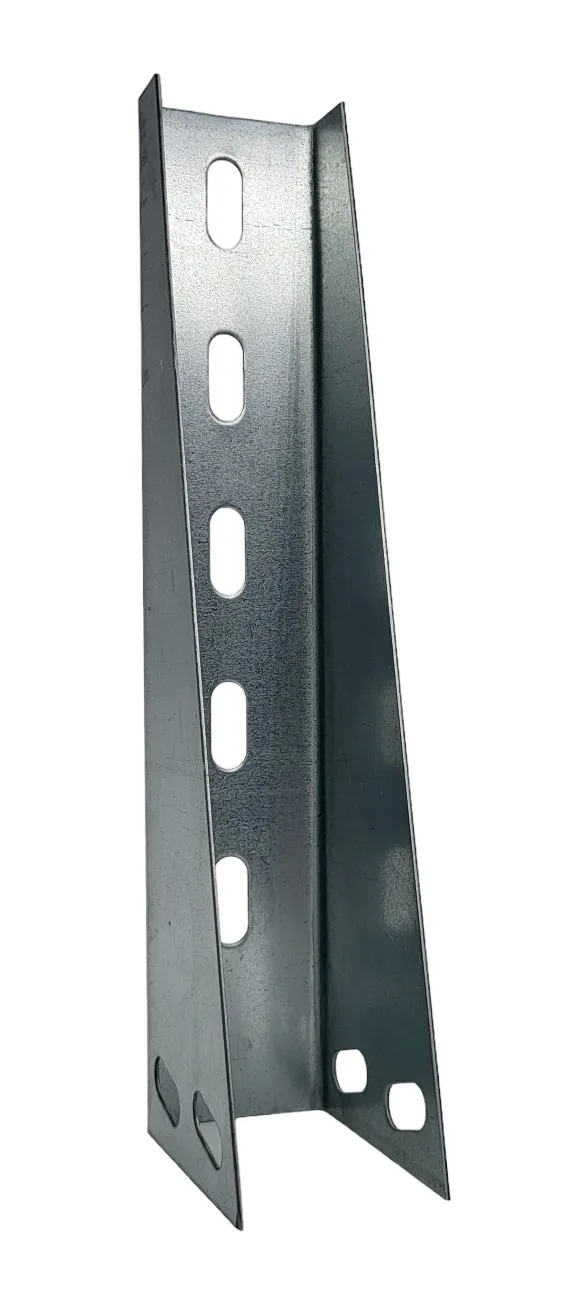
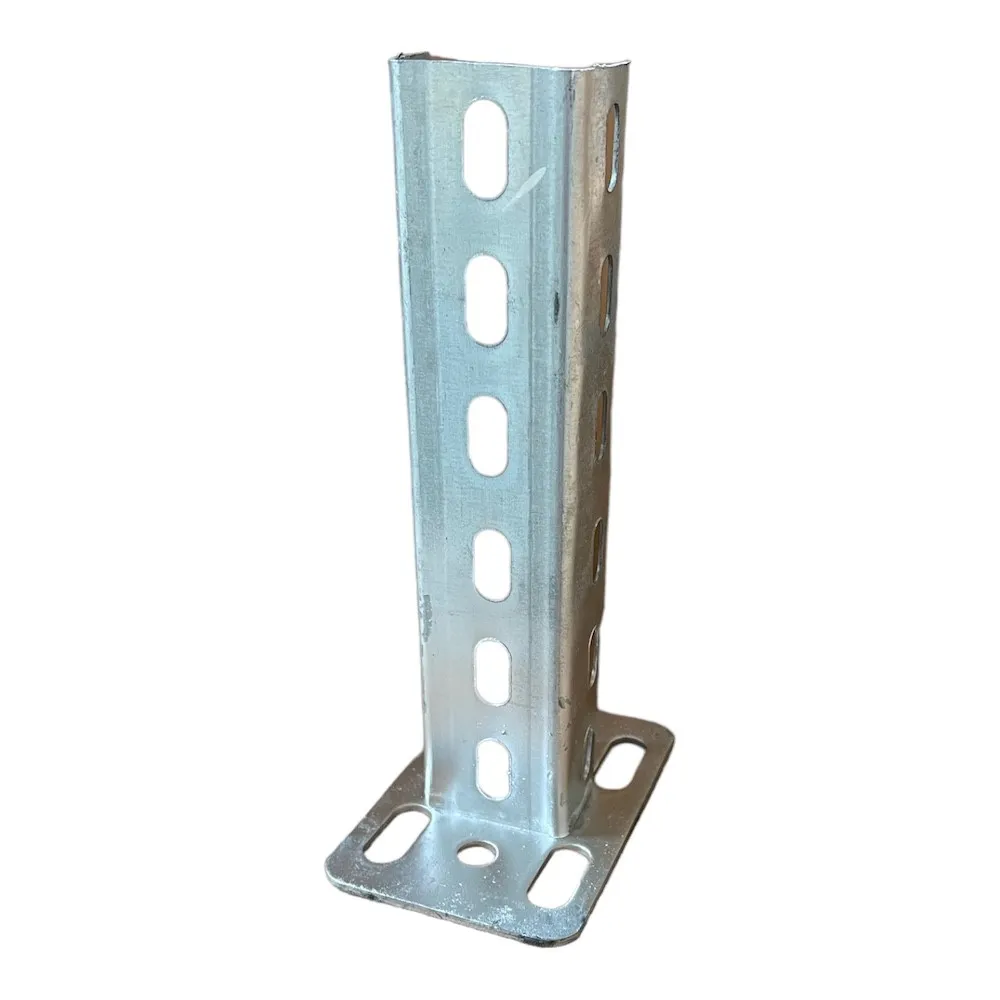
Cable trays can be mounted on ceilings, walls, or floors using brackets, hangers, and accessories. Many systems feature quick-connect joints for rapid assembly – perfect for time-sensitive projects by electrical and construction teams.
Frequently Asked Questions (FAQ)
What is the difference between a cable tray and a cable ladder?
Cable trays are channel-style systems, while cable ladders have rungs and are better suited for very heavy cables and high fill volumes.
Which material should I choose for my project?
Use galvanized steel for general industrial use, stainless steel for corrosive or hygienic environments, and plastic/GRP for wet areas or weight-sensitive installations.
Are cable trays suitable for outdoor use?
Yes. Stainless steel and properly coated galvanized systems are weather-resistant and widely used in outdoor, rooftop, and garden installations.
What standards do cable trays need to meet?
Key standards include DIN EN 61537 (IEC 61537), NEMA VE-1/VE-2, and relevant national electrical codes (VDE 0100, NEC, etc.).
How do I calculate the correct cable tray size?
Consider total cable cross-section, fill ratio (usually max. 50% for power cables), load curves, and separation of power and data cables. Always follow manufacturer load tables and local regulations.
Can cable trays be used in renovation and retrofit projects?
Absolutely. Lightweight plastic or slim steel trays are excellent for installation in existing buildings, suspended ceilings, and tight spaces.
What are common cable tray widths and heights?
Standard widths include 100 mm, 150 mm, 200 mm, 300 mm, and 400 mm. Heights typically range from 30 mm to 110 mm to suit most project requirements.
Do you offer complete cable tray systems with all accessories?
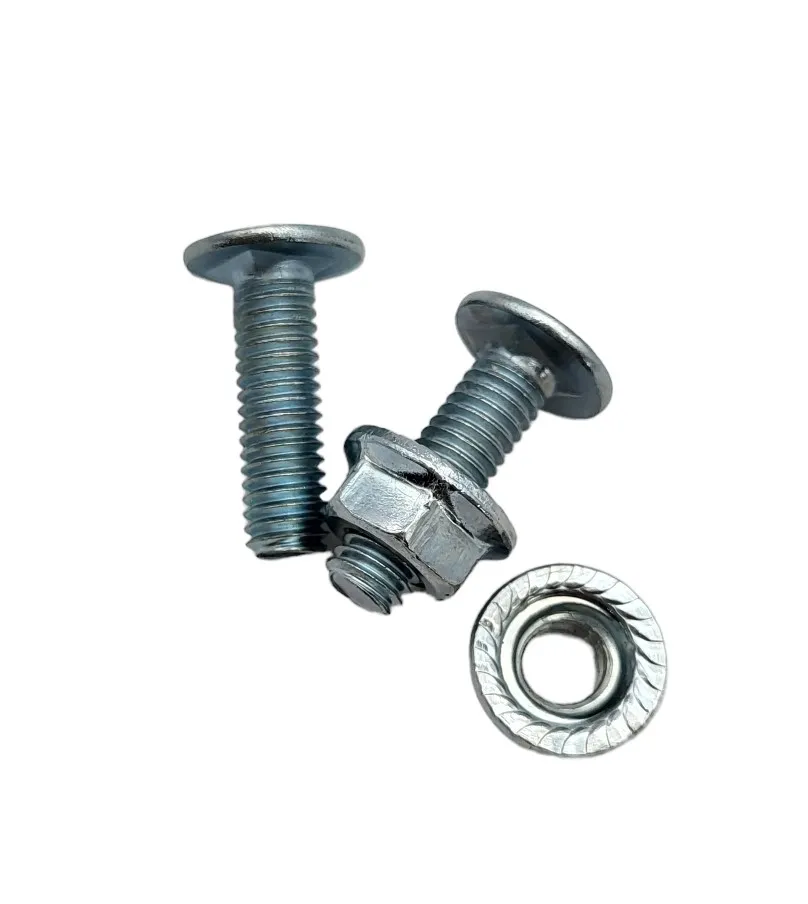
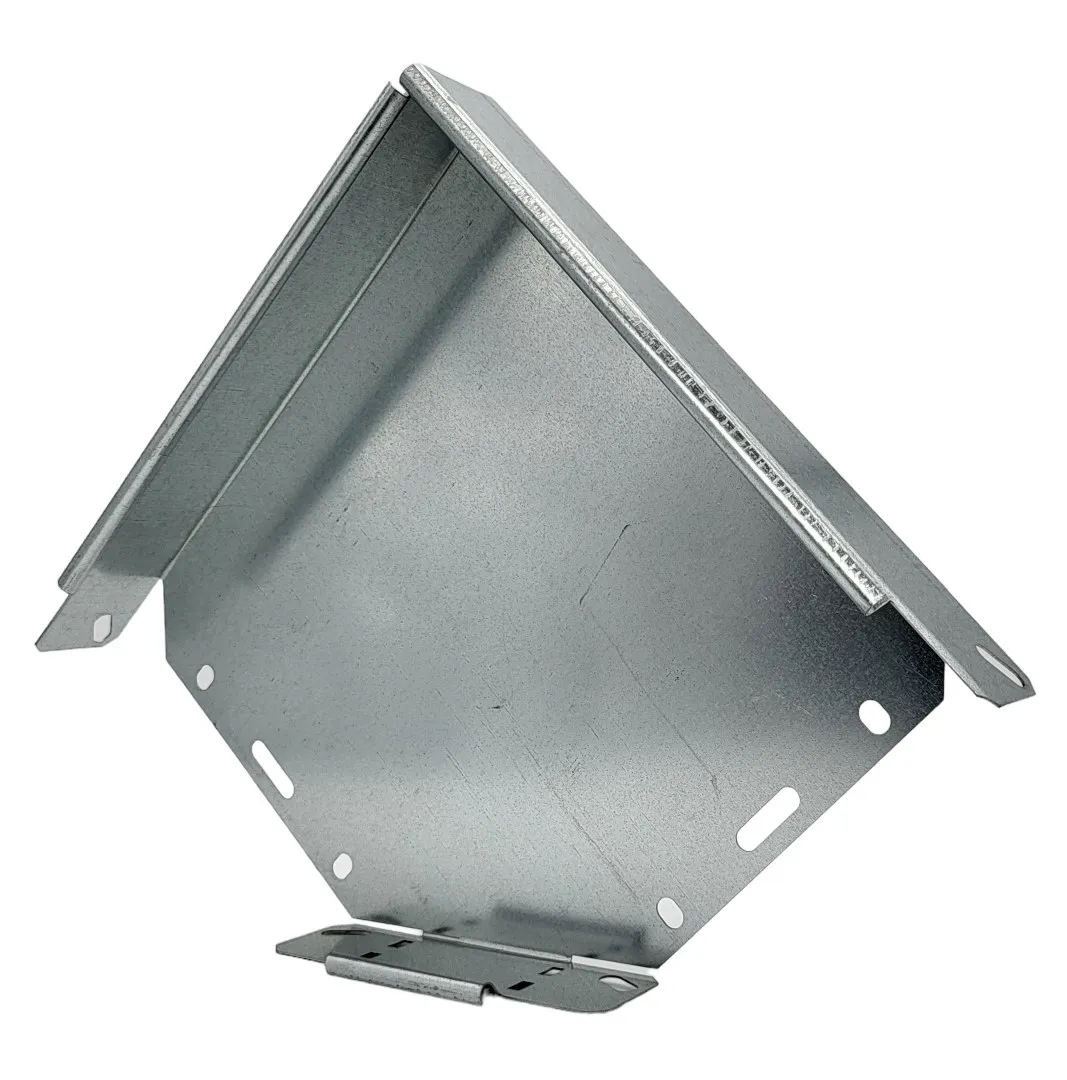
Yes. We supply full systems including connectors, end caps, bends, tees, reducers, brackets, and fixings for complete installations.