





Cable Duct: Complete Guide to Types, Installation, and Uses
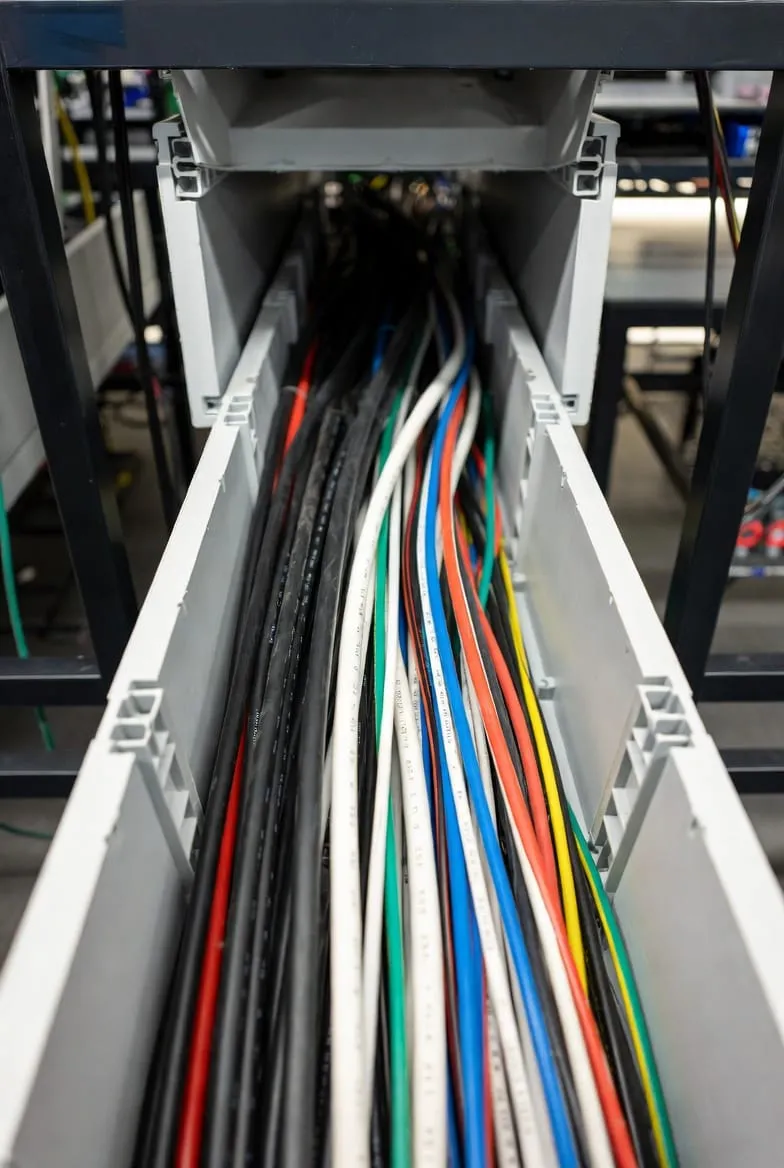
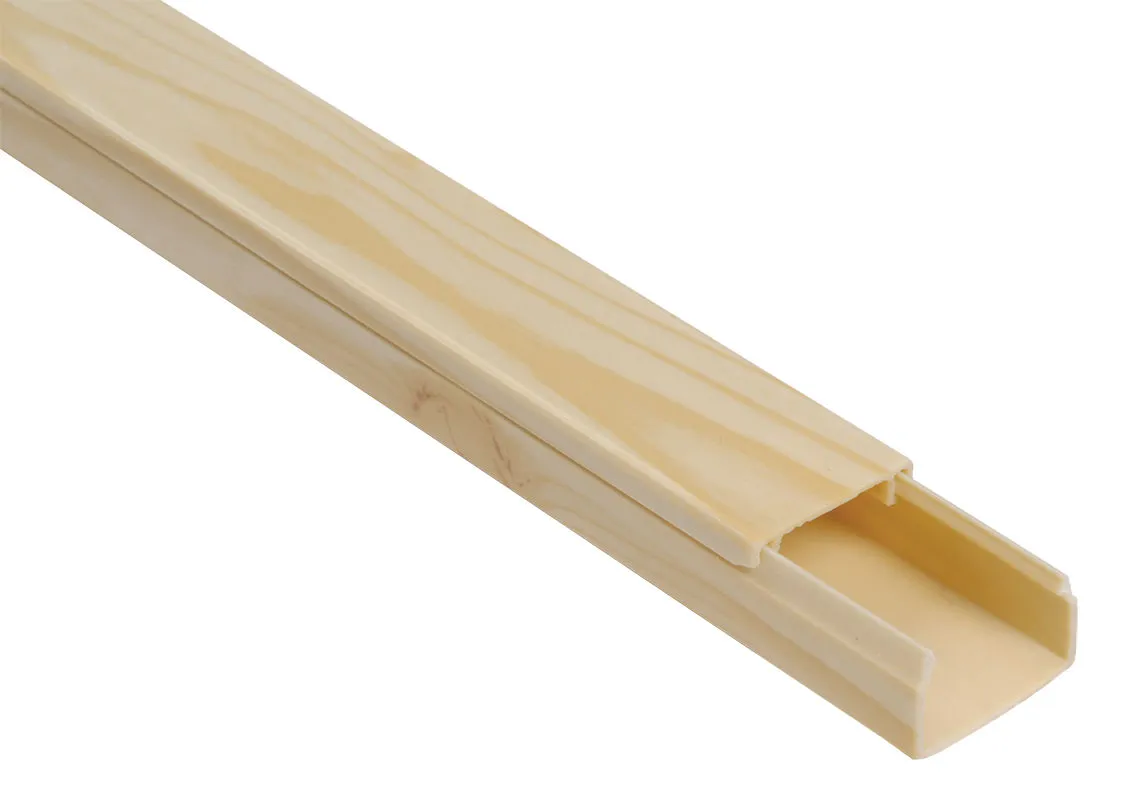
A cable duct (also known as cable trunking, cable channel, or wire duct) is a protective enclosure designed to organize, route, and safeguard electrical cables and wires. Cable ducts prevent damage from mechanical stress, dust, moisture, and accidental contact while providing a clean and professional appearance for wiring installations in homes, offices, and industrial settings.
Whether you're searching for cable ducts, electrical cable ducts, or specific solutions like parapet trunking, this guide covers everything you need to know.
What is a Cable Duct?
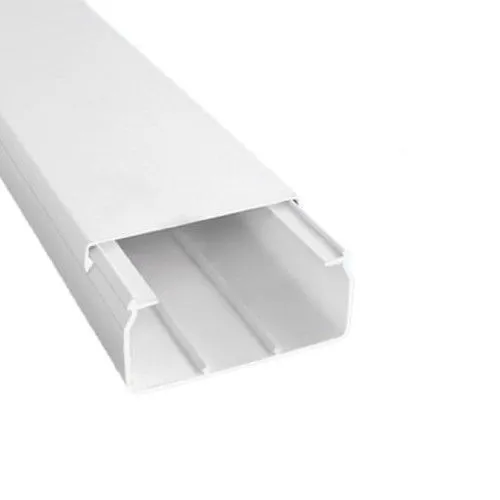
A cable duct is a rigid or semi-rigid channel that houses multiple cables. It allows easy access for maintenance, additions, or changes to wiring. Unlike conduits (which are usually buried or embedded), cable ducts are typically surface-mounted and visible.
Types of Cable Ducts
Cable ducts come in various designs to suit different applications:
- Parapet Trunking (Brüstungskanal): Wall-mounted channels commonly used in offices for running power, data, and network cables along walls or above desks.
- Slotted Wire Duct: Open-slot design ideal for electrical panels and control cabinets, allowing easy cable insertion and branching.
- Solid Wall Duct: Fully enclosed for maximum protection and aesthetics.
- Self-Adhesive Mini Ducts: Small channels with adhesive backing for quick home or office installations.
- Floor Ducts: Heavy-duty channels designed to protect cables crossing floors while allowing foot traffic.
- Metal Trunking: Steel or aluminum for high-durability industrial environments.
Materials for Cable Ducts
- PVC (Polyvinyl Chloride): Most common – lightweight, cost-effective, flame-retardant, and easy to cut/install. Ideal for indoor use.
- Metal (Steel/Aluminum): Offers superior mechanical protection and EMI shielding; often used in industrial or fire-critical areas.
- Halogen-Free Options: For enhanced fire safety in public buildings.
All our cable ducts meet strict standards such as VDE, CE, and TÜV for safety and quality.
How to Install a Cable Duct: Step-by-Step Guide
- Plan the Route: Mark the path, avoiding sharp bends (minimum bend radius per manufacturer specs).
- Measure and Cut: Use a fine-tooth saw or duct cutter for clean edges.
- Mount the Base: Fix with screws, adhesive (for self-adhesive types), or clips.
- Insert Cables: Lay cables neatly, avoiding overfilling (max 60% fill recommended).
- Attach the Cover: Snap or clip the lid in place.
- Test and Label: Verify functionality and label for future reference.
Benefits of Using Cable Ducts
- Protects cables from damage and extends lifespan
- Improves safety by reducing trip hazards and exposure
- Enhances aesthetics with organized wiring
- Facilitates easy upgrades or troubleshooting
- Complies with electrical regulations (e.g., fire protection requirements)
Cable Duct vs. Alternatives
- Vs. Corrugated Conduit: Ducts are more rigid and accessible.
- Vs. Cable Clamps/Ties: Ducts provide full enclosure and better organization.
- Vs. Underfloor Systems: Surface ducts are easier and cheaper to install.
Frequently Asked Questions (FAQs)
- What is a cable duct?
- A protective channel for organizing and safeguarding electrical cables.
- What is parapet trunking?
- A type of wall-mounted cable duct popular in European offices.
- Are cable ducts fire-resistant?
- Many PVC and halogen-free options are self-extinguishing and meet fire safety standards.
- How do I choose the right size?
- Calculate based on cable diameter and quantity – allow space for future additions.
Ready to organize your wiring? Browse our selection of VDE-certified cable ducts and accessories.
At ekabel24.de, we specialize in high-quality electrical installation materials since 2015. Contact us for expert advice!