



Copper Underground Cable vs. Aluminium Underground Cable: The Ultimate Comparison and Buyer's Guide 2026
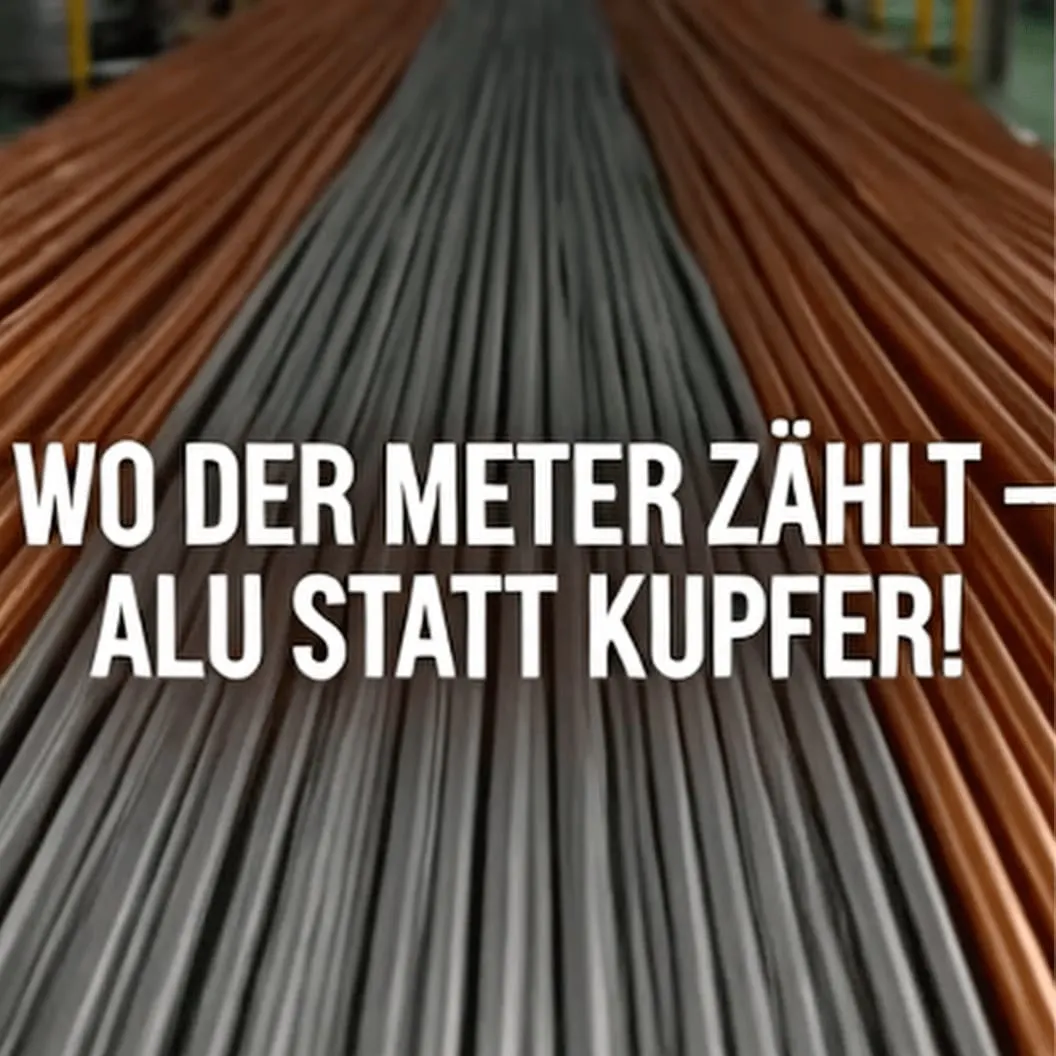
Copper Underground Cable vs. Aluminium Underground Cable: The Ultimate Comparison and Buyer's Guide
Welcome to our in-depth comparison of copper underground cables (NYY-J) and aluminium underground cables (NAYY-J). In this pillar article, we explore the advantages, disadvantages, applications, and products available in our shop at ekabel24.de. Whether you're a professional electrician or a DIY enthusiast, you'll find all the information needed to choose the right direct burial power cable for your project. Keywords such as "copper underground cable vs aluminium", "NYY-J vs NAYY-J", "direct burial cable comparison", and "underground power cable NYY" are covered in detail.
What Are Underground Cables?
Underground cables, also known as direct burial power cables or earth cables (Erdkabel), are specially designed for installation in the ground. They ensure safe power supply for gardens, buildings, or industrial sites. The most common types are NYY-J (copper) and NAYY-J (aluminium), compliant with DIN VDE 0276-603. They resist moisture, corrosion, and mechanical stress.
Copper Underground Cables (NYY-J): Advantages, Disadvantages, and Applications
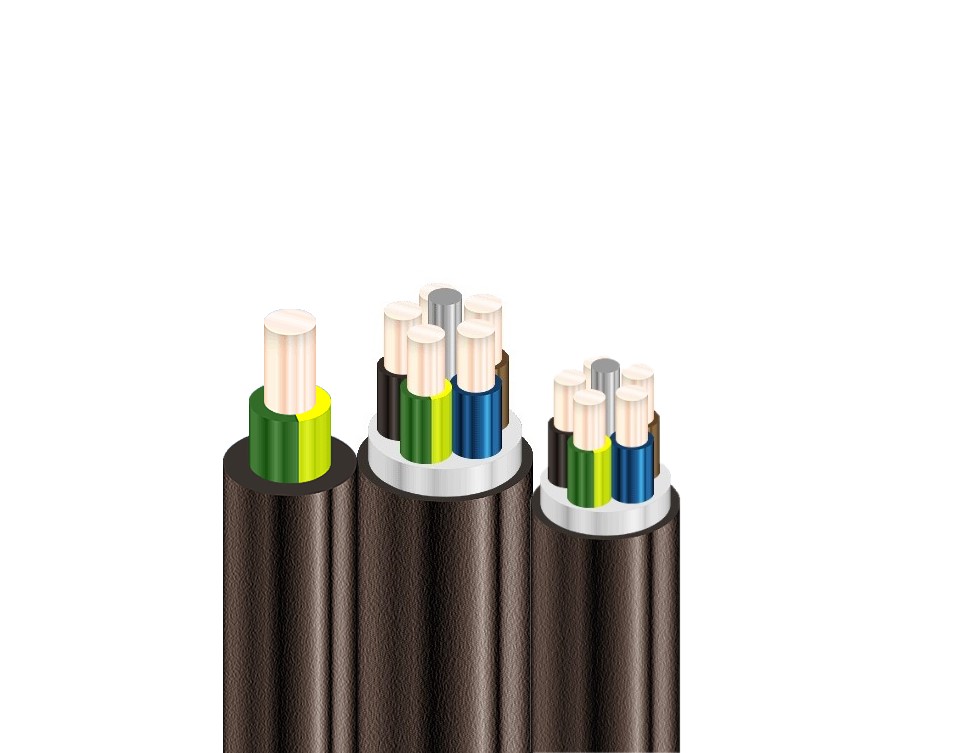
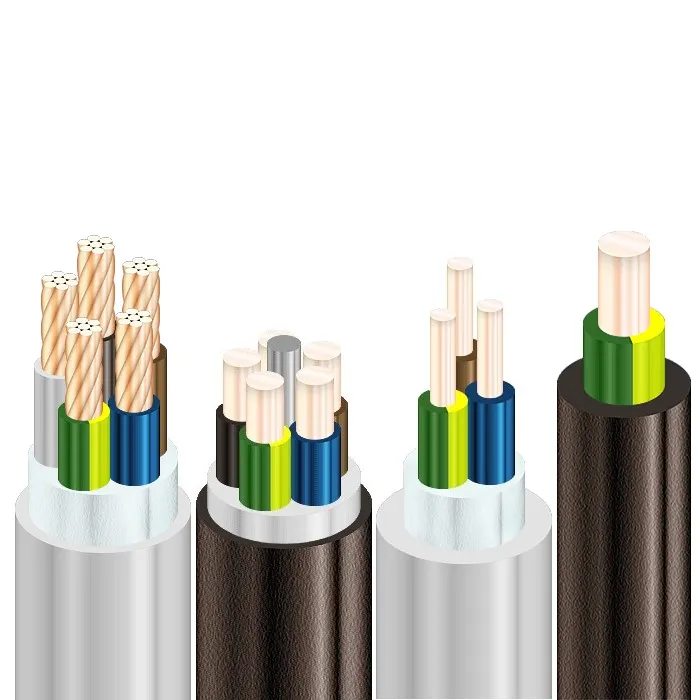
Copper underground cables NYY-J have copper conductors with PVC insulation and sheath. Suitable for fixed installation in soil, concrete, water, or outdoors. Advantages: Superior conductivity (lower voltage drop), high flexibility, smaller cross-sections required, and excellent bending resistance. Disadvantages: Higher cost and heavier weight.
Applications: Garden lighting, pumps, residential connections, or industrial setups.
Recommended Products from Our Shop
- NYY-J 5x6 mm² Underground Cable by the Metre – Check current price
- NYY-J 5x4 mm² Underground Cable by the Metre – Check current price
- NYY-J 5x16 mm² RE Black Underground Cable by the Metre – Check current price
- NYY-J 5x10 mm² Black Underground Cable by the Metre – Check current price
Aluminium Underground Cables (NAYY-J): Advantages, Disadvantages, and Applications

Aluminium underground cables NAYY-J feature aluminium conductors, offering lower weight and cost. Suitable for similar uses as NYY-J. Advantages: More affordable, lighter, highly recyclable. Disadvantages: Lower conductivity (requires larger cross-sections), more prone to oxidation and material creep under load.
Applications: Large projects prioritizing cost and weight savings, such as infrastructure or building connections.
Recommended Products from Our Shop
- NAYY-J 5x25 RE Black Aluminium Underground Cable – Check current price
- NAYY-J 5x35 RE Black Aluminium Underground Cable – Check current price
- NAYY-J 5x16 RE Black Aluminium Underground Cable – Check current price
- NAYY-J 4x35 RE Black Aluminium Underground Cable – Check current price
Comparison: Copper vs. Aluminium Underground Cables
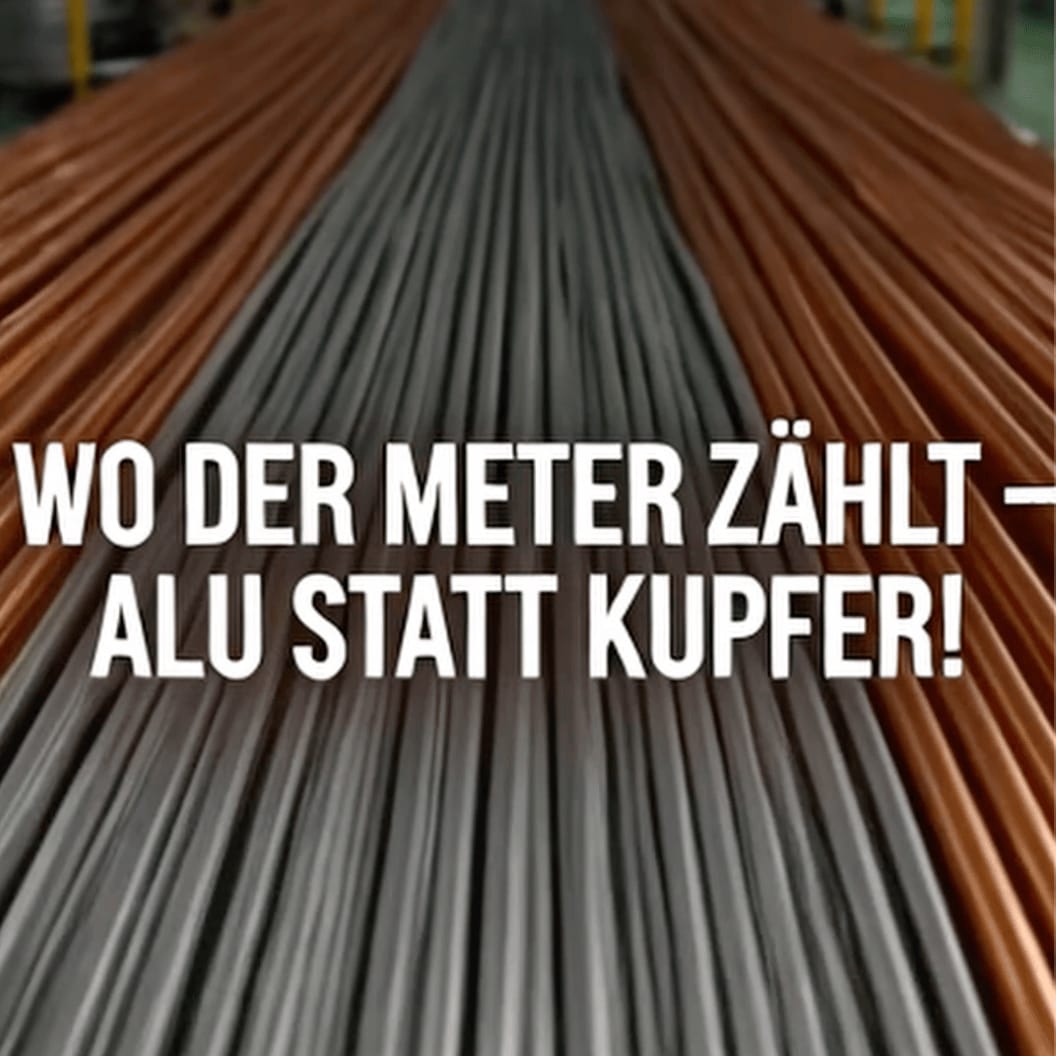
| Criteria | Copper Underground Cable (NYY-J) | Aluminium Underground Cable (NAYY-J) |
|---|---|---|
| Conductivity | High (lower losses) | Medium (~61% of copper, larger sizes needed) |
| Price | Higher | Lower |
| Weight | Heavier | Lighter |
| Flexibility | Better, more break-resistant | Lower, more prone to issues |
| Corrosion/Oxidation | Better resistance | More susceptible (needs special terminals) |
| Min. Cross-Section | Flexible from 1.5 mm² | Typically min. 16 mm² for many uses |
| Eco-Friendliness | Good | Excellent (highly recyclable) |
Buyer's Guide: How to Choose the Right Underground Cable
Factor in current load, cable run length, budget, and use case. Go with copper NYY-J for best performance in conductivity and compact sizing; choose aluminium NAYY-J for cost savings on larger runs. Always follow guidelines: Bury at least 60 cm deep (80 cm under roads), use sand bedding and warning tape. Explore more in our NYY-J underground cable category or browse cables and wires for NAYY-J options and current availability.
FAQ: Frequently Asked Questions on Copper and Aluminium Underground Cables
Which is better: Copper or aluminium underground cable?
Copper excels in conductivity and longevity; aluminium wins on price and weight. It depends on your project's needs.
Can I mix copper and aluminium?
Yes, but use approved Al/Cu transition connectors to avoid galvanic corrosion.
What cross-section size do I need?
Depends on amperage and distance. Aluminium often needs ~1.6x the copper cross-section.
Are aluminium underground cables safe?
Yes, fully compliant with VDE standards when properly installed.
How deep should underground cables be buried?
Minimum 60 cm in normal soil; 80 cm under roads or driveways.
What advantages does NYY-J have over NAYY-J?
Better conductivity, flexibility, and smaller sizes possible.
Can these cables be installed in water?
Yes, both are moisture-resistant for wet or damp conditions.
How long do underground cables last?
Up to 50 years or more with correct installation.
Do I need a qualified electrician?
Recommended for safety-critical or high-power setups to meet regulations.
Where to buy quality underground cables?
At ekabel24.de – meterware, reels, fast shipping, and B2B options available.
Price Note: All prices referenced (e.g., examples from product pages like NYY-J 5x6 mm² or NAYY-J 5x35) are current as of publication (January 2026). Cable prices fluctuate with copper/aluminium market rates, exchange, or promotions. For live pricing, stock, and exact specs, visit the linked product pages or contact us at ekabel24.de. Thanks for your understanding!